


Photographer Lord Made and Mikael Selassi for Axios
WASHINGTON — Health care costs and how to address them dominated the conversations at Axios' second annual Future of Health Summit this week as the country approaches the 2026 midterm elections.
Why it matters: Prices are top of mind for executives, policymakers and industry leaders as health care bills continue to strain Americans' finances.
- The event was sponsored by Covista, Genentech, Heartland Forward and UnitedHealth Group.
By the numbers: A KFF poll released this week revealed more than half of voters said health care costs would influence their votes.
- 75% of respondents in the summit's live audience poll said the one thing they'd change about the health care system would be costs.
Catch up quick: Here are our top five takeaways from the conversations …
1. Pharmaceutical leaders say high drug costs are being driven by complex legislation, FDA volatility and unfair international policy.
- "340B [the federal discount drug program] is a classic example of legislation that was well-intentioned, that has gotten out of control," Bristol Myers Squibb board chair and CEO Chris Boerner said.
- "We need predictability and, by extension, stability," he added.
- Other countries not paying their fair share of prescription medicine "amounts to about a 26% tax on U.S. consumers," PhRMA president and CEO Stephen J. Ubl said.
2. Fraud is top of mind, as leaders point to wasteful and inaccurate spending.
- Caryn Seidman Becker, chair and CEO of facial recognition technology CLEAR, says identify verification can reduce instances of fraud and save the government money.
- "If you look at a GAO report from December … there were 125 [policies] associated with one Social Security number," she said.
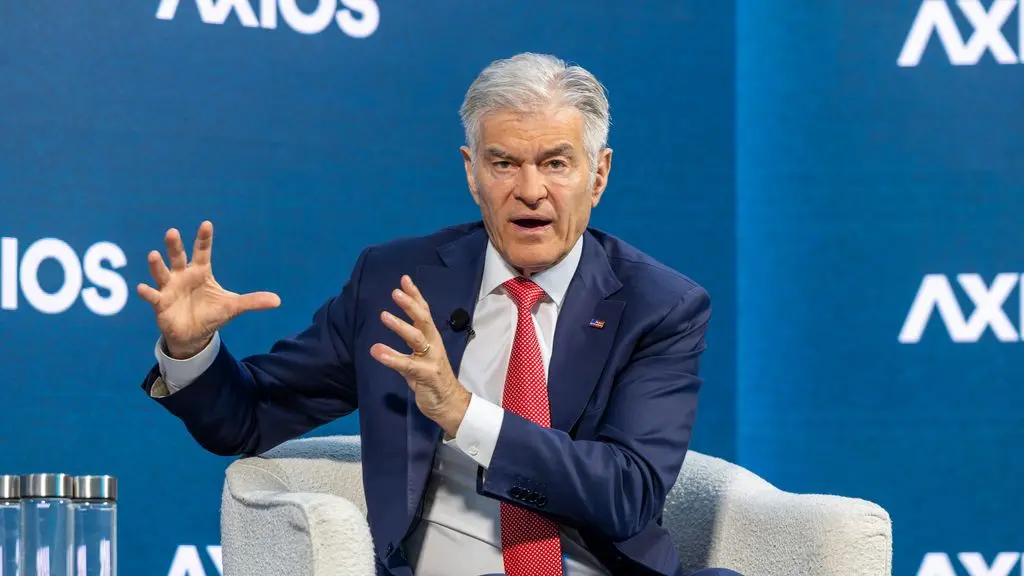
- "We are putting a national moratorium on all new hospices," Mehmet Oz, administrator of the Centers for Medicare and Medicaid Services, told Axios' Caitlin Owens, citing concerns in New York and California.
3. The health care system itself isn't designed for our modern reality, Sesame co-founder and CEO David Goldhill said.
- "We built a health care system based on what health care looked like in the mid-20th century," and now it "has more people managing the payment system than practicing physicians," he said.
- The company hopes to alleviate barriers between patients and providers by eliminating the insurance go-between entirely.
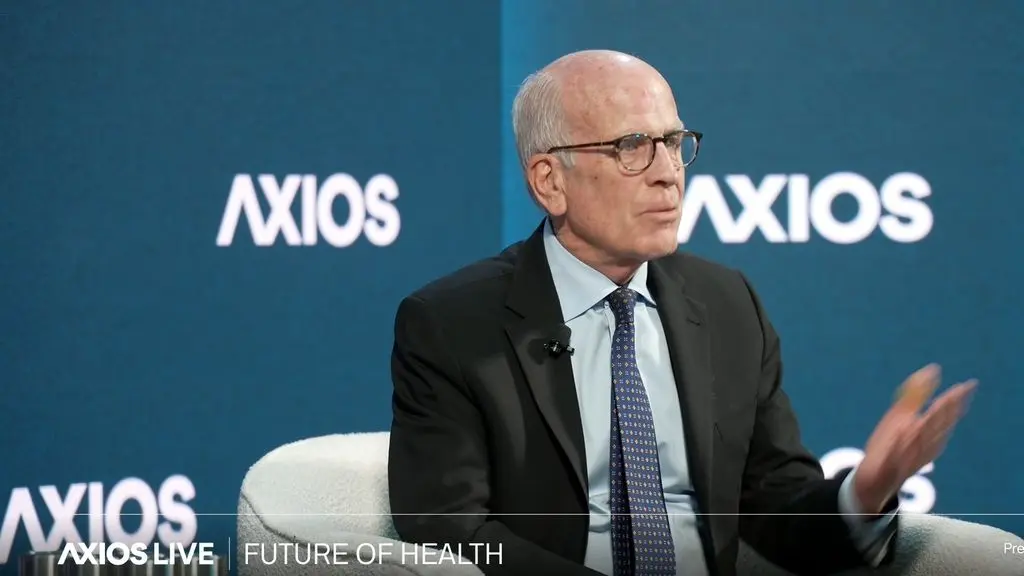
4. Sen. Peter Welch (D-Vt.) said he would support a proposal from President Trump to reduce health care costs for American families.
- He would "not only vote for it, I would work actively and aggressively to make it happen."
- Reality check: "The president hasn't introduced any legislation."
5. Oz announced a coalition to address prior authorization delays.
- "All of a sudden, the long arm of insurance comes in there, even though you're paying your fees [and] your premiums," he said. It is "probably the single most disliked part of the health care system."
- "The payers, the insurance companies, have been playing ball. Guess who's not been playing ball until today? The providers."
What's next: Republicans must decide whether they want to wade into controversial waters between now and the November election.
Content from the sponsors' segments:
In View From the Top conversations, Covista medical and veterinary president Scott Liles shared that 80% of health care professionals who responded to a joint survey with Gallup reported not having enough of what they need, "including colleagues on the floor."
- The report also found that 92% of health care executives are struggling to hire physician specialists.
Olivia Walton, founder of the maternal and child health center for policy and practice at Heartland Forward, and founder and CEO at Ingeborg, said solutions to the maternal mortality crisis aren't unaffordable.
- "America spends on average $19,000 per birth," Walton said. "You can actually make birth safer while spending less money on it."
- Maternal mortality "is a systemic issue, and it is going to require systemic interventions," said Elaine Welteroth, founder of BirthFund, author of "More Than Enough" and former Teen Vogue editor-in-chief.
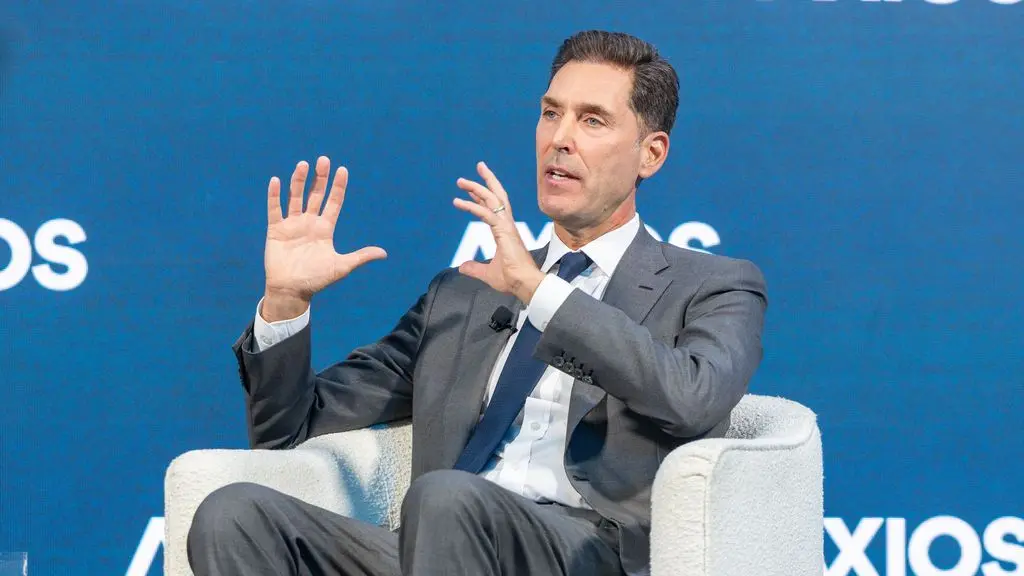
Jon Mahrt, CEO of Optum Rx and chief growth officer of Optum, said the company is focused on addressing costs and transparency.
- "The pharmacy care ecosystem was designed for a simpler time," he said. "Patients crave that simplicity, and the opacity of the system undermines the confidence in that system today."
- "Consumers want direct-to-consumer cash price. … We've built and are launching the Optum Price pharmacy to do just that."