FTC report adds to scrutiny of drug middlemen

Add Axios as your preferred source to
see more of our stories on Google.
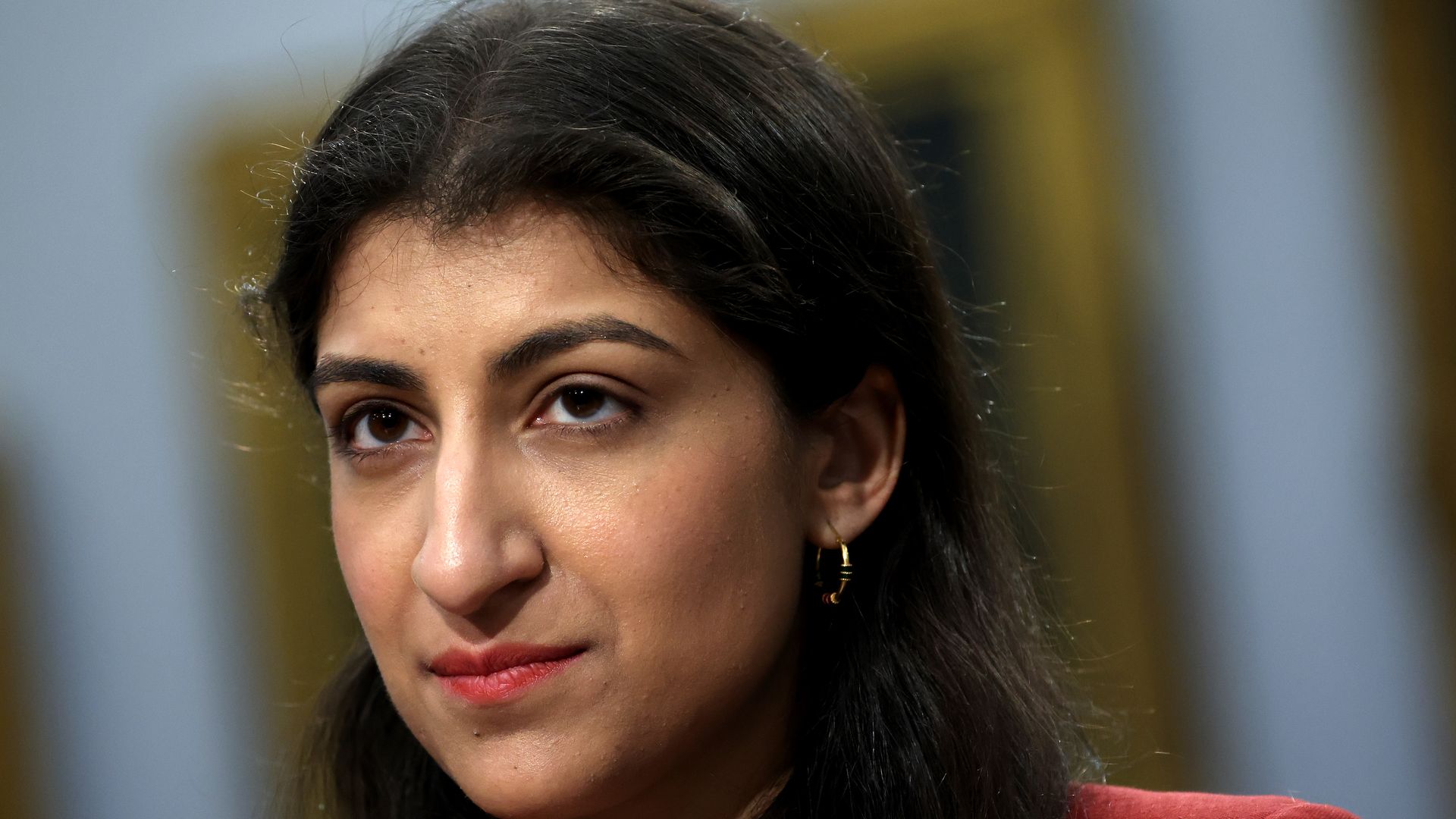
Lina Khan. Photo: Kevin Dietsch/Getty Images
Prescription drug middlemen took in nearly $1.6 billion in extra revenue on two cancer drugs in less than three years, by steering business to affiliated pharmacies, a new Federal Trade Commission report finds.
Why it matters: The findings underscore the degree to which vertical integration and concentration among pharmacy benefit managers allow the companies to influence the drug supply chain, potentially driving up cost to patients.
- The findings come ahead of a House Energy and Commerce subcommittee hearing today where FTC chairwoman Lina Khan will testify on the agency's budget and mission.
Zoom in: The report points to market concentration within the industry, with three PBMs — CVS Caremark, Express Scripts and OptumRx — processing nearly 80% of the approximately 6.6 billion prescriptions dispensed by U.S. pharmacies in 2023.
- The consolidation combined with vertical integration with health insurers have allowed companies to pay affiliated pharmacies as much as 40-times higher than the average acquisition cost of drugs.
- PBMs can steer business away from smaller independent pharmacies, or require unfair contract terms, the report says.
- The report "lays out how dominant pharmacy benefit managers can hike the cost of drugs—including overcharging patients for cancer drugs," Khan said in a statement.
- It used as case studies reimbursement rates and dispensing revenue for two specialty generic drugs: generic Zytiga to treat prostate cancer and generic Gleevec for leukemia from 2020 to part of 2022.
The other side: "Any suggestions from the FTC about policies that limit the use of PBM negotiating tools would instead reward the pharmaceutical industry, leaving American businesses and patients at the mercy of the prices drugmakers set," CVS Caremark said in a statement.
What we're watching: How much the findings further stoke efforts in Congress to crack down on the industry as lawmakers look to ascribe blame for rising drug costs.
