OCC conditionally approves 5 crypto firms for national trust bank charters

Add Axios as your preferred source to
see more of our stories on Google.
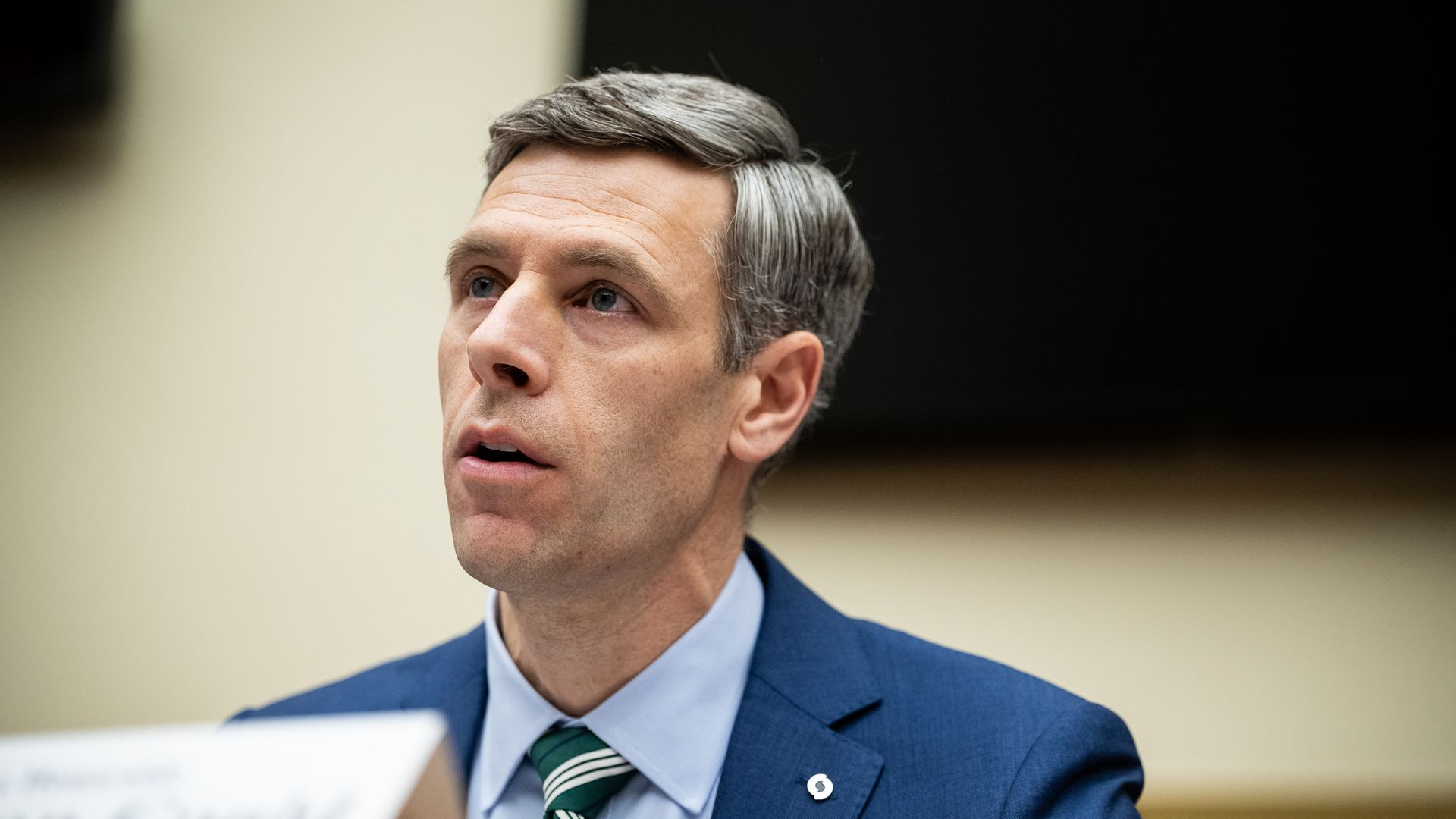
Jonathan Gould, comptroller of the currency, during a House Financial Services Committee hearing in Washington on Dec. 2. Photo: Graeme Sloan/Bloomberg via Getty Images
A federal bank regulator on Friday granted conditional approval for five crypto-related firms — including Circle and Ripple — to obtain national trust bank charters.
Why it matters: It's a significant regulatory step for U.S. stablecoin issuers in the wake of the Genius Act — and one traditional banking groups have fought hard to block.
Zoom in: The Office of the Comptroller of the Currency gave conditional approval for Circle, issuer of the USDC stablecoin, and Ripple, creator of the Ripple USD stablecoin and the XRP payments token, to set up new national trust banks.
- The OCC also granted conditional approval for BitGo, Fidelity Digital Assets and Paxos to convert from state-regulated trust companies to nationally regulated trust banks.
Context: National trust bank charters do not allow firms to take deposits, offer checking or savings accounts, or access FDIC insurance.
- Digital-asset firms say they want the charters to support services tied to their products: custody, settlement, payments and asset management among others.
- Circle said Friday that once fully approved, the charter would mark "an important milestone" in strengthening the infrastructure supporting USDC and meeting requirements under the Genius Act.
Friction point: Traditional banks have urged the OCC to reject the applications, arguing the charters offer a backdoor into the banking system for nonbank firms while applying lighter regulatory standards.
- The Bank Policy Institute has argued that companies that intend to offer "traditional banking activities" should seek full-service bank charters instead.
The latest: Ripple CEO Brad Garlinghouse took a swing at the banking lobby Friday, saying on X that "your anti-competitive tactics are transparent" and calling the conditional approval "a massive step forward."
- Greg Baer, CEO of the Bank Policy Institute, said in a statement that the OCC's decision today "leaves substantial unanswered questions. Chiefly, whether the requirements the OCC has outlined for the applicants are appropriately tailored to the activities and risks in which the trust will engage."
What they're saying: "New entrants into the federal banking sector are good for consumers, the banking industry and the economy," Jonathan Gould, the comptroller of the currency, said in a statement Friday.
- "They provide access to new products, services and sources of credit to consumers, and ensure a dynamic, competitive and diverse banking system."
What's next: The firms must meet the OCC's requirements — including capital, governance and risk-management standards — before they can receive final approval to open.
What we're watching: Gould earlier this week said 14 de novo charter applications have been filed with the OCC in 2025, nearly equal the number received in the previous four years combined, per Banking Dive.
