The energy stakes of the Trump-Xi summit

Add Axios as your preferred source to
see more of our stories on Google.
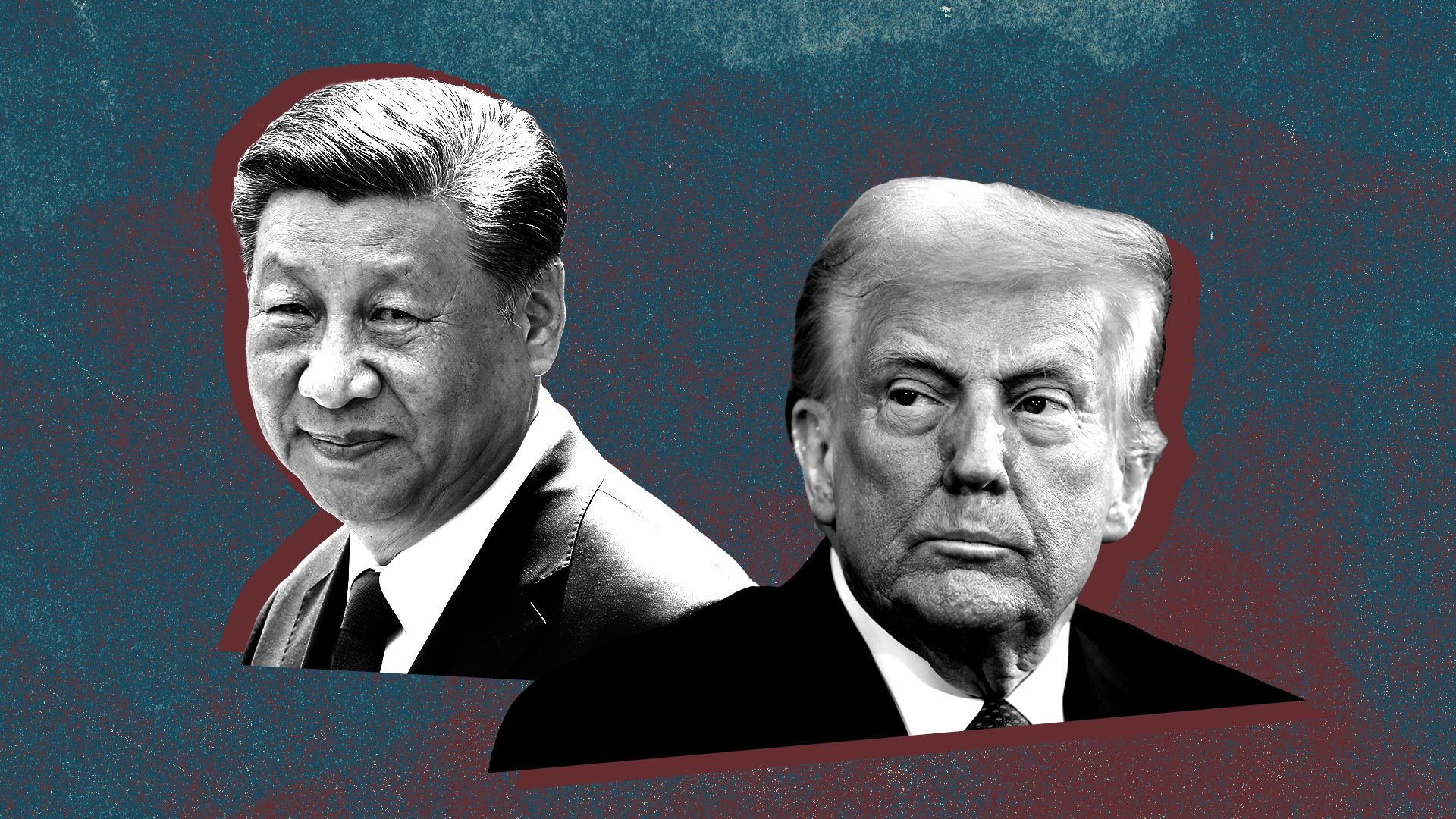
Photo illustration: Brendan Lynch/Axios. Photos: Antoine Gyori Corbis via Getty Images and Chip Somodevilla/Getty Images
President Trump faces a tough climb turning his "energy dominance" agenda into energy wins when he meets Chinese President Xi Jinping in Beijing.
Why it matters: China is a massive market, and Trump loves using bilateral summits to secure energy purchase agreements.
- White House officials say energy is on the agenda at this week's summit, though it's not clear how high.
What they're saying: The ground isn't ripe for oil and gas deals, according to trade analyst Chad Bown.
- China is wary of becoming dependent on a rival. And Trump's "history of policy reversals" would risk a shutoff of U.S. exports if domestic prices are high heading into the midterms, he said.
- Meanwhile, "[The] Iran war and global energy shortage means there are plenty of suitors for U.S. oil and LNG today, so there is less urgency on the U.S. side," Bown, a senior fellow with the Peterson Institute for International Economics, said via email.
The U.S. may also have less overall leverage to get deals heading into the summit because of the Iran war.
- China is leaning into its long-dominant role as a global supplier of solar panels, batteries, and EVs, as the war throttles oil and gas shipments.
- Trump "seeks to use the U.S. booming oil and natural gas output as geopolitical leverage," writes the Council on Foreign Relations' David Hart in a summit primer.
- "While both have racked up wins, Trump's military gamble in Iran has fundamentally weakened his hand."
The big picture: China's imports of U.S. LNG and crude oil have fallen in recent years amid trade battles, though there's been an uptick in petroleum products.
- China relies on the Strait of Hormuz for oil and gas, and is the main buyer of Iranian crude oil.
- Yet China is increasingly flexing its brand of dominance as an "electrostate" with exports of solar panels, batteries and electric cars.
⛏️What we're watching: China's export restrictions on minerals, even though an agreement last fall softened some of Beijing's controls.
- It's a big deal. Rare earths and other critical minerals are needed for a wide array of defense and industrial applications, and China is the dominant supplier.
Friction point: The Atlantic Council's Melanie Hart said stronger minerals commitments from China would be a success for U.S. negotiators.
- "While Beijing wants to keep this chokehold in place, Washington wants to loosen it enough to buy time for U.S. and allied de-risking efforts, including building out other rare-earth mining and processing capabilities," Hart, who heads the think tank's Global China Hub, writes in a summit preview.
The intrigue: The summit could address the war itself, given China's leverage over Iran as its main energy export market and a tech provider, multiple analysts say.
- "I would watch for anything linking China to de-escalation, shipping security, or a more active diplomatic role on Iran," Tatiana Mitrova, a fellow at Columbia's Center on Global Energy Policy, tells Axios.
Sign up here for Axios' Future of Energy newsletter.
