Iran's supreme leader says he authorized deal, direct talks with U.S.

Add Axios as your preferred source to
see more of our stories on Google.
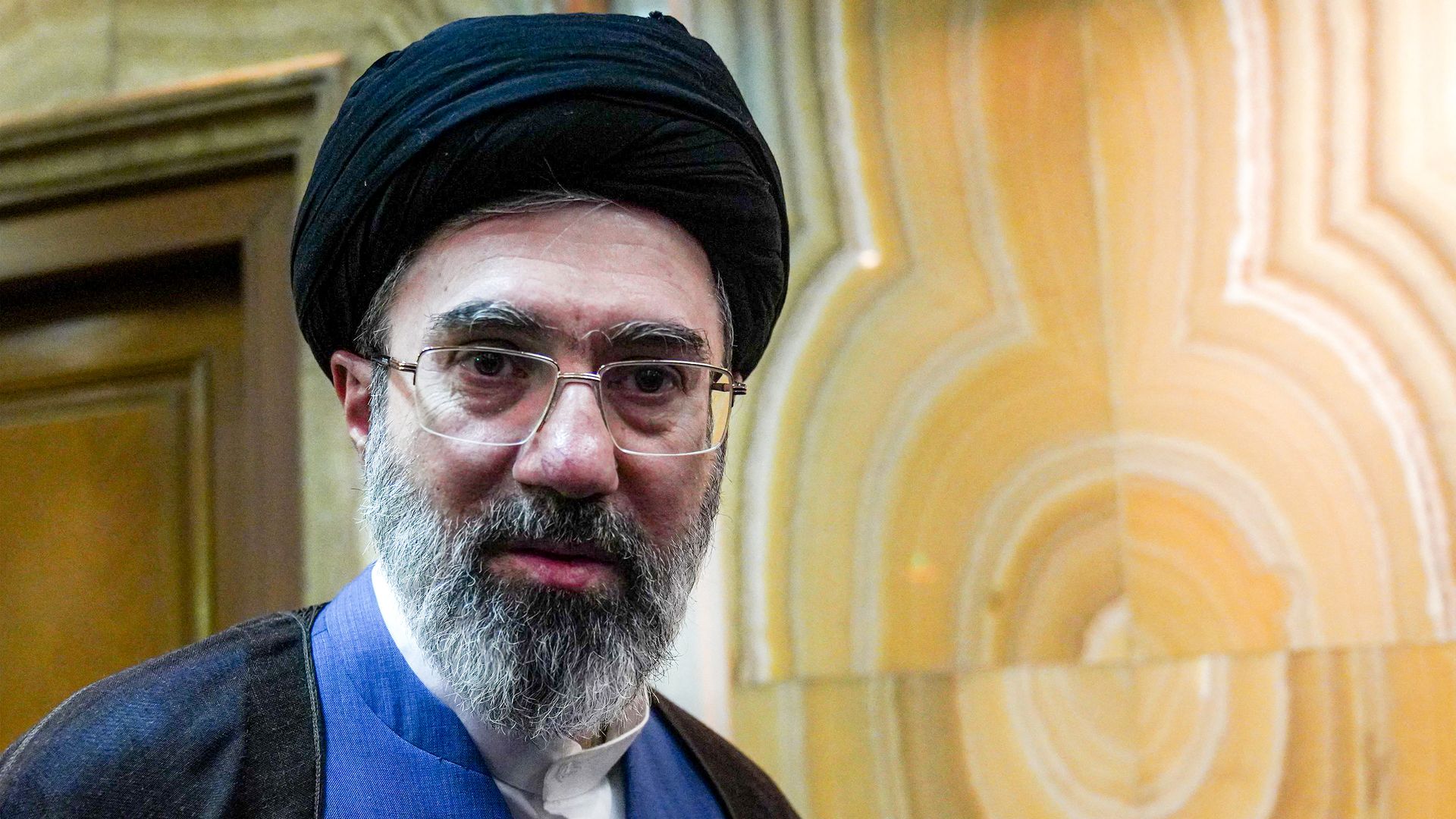
Iran's supreme leader, Mojtaba Khamenei, in Tehran in 2024. Photo: Hamed Jafarnejad/ISNA/AFP via Getty Images
Iran's supreme leader, Mojtaba Khamenei, said Thursday he authorized direct talks with the U.S., but warned they do not signal agreement with Washington.
Why it matters: Khamenei's comments Thursday, in a written statement on his Telegram channel, were his first response to the signing of the U.S.-Iran memorandum of understanding (MOU).
- Iranian negotiators had been waiting for his public "green light" before heading to Switzerland for a first round of negotiations with the U.S. planned for Friday or Saturday.
Behind the scenes: The Iranian supreme leader, who was wounded in an Israeli strike on his father's residence during the opening days of the war, has not been seen or heard from publicly since.
- In his written message, Khamenei said he opposed the signing of the MOU with the U.S. but authorized it at the recommendation of President Masoud Pezeshkian and the country's Supreme National Security Council.
Zoom in: "Based on the commitment given to me by the honorable President, acting in his capacity as Chairman of the Supreme National Security Council, on behalf of himself and the other members, to safeguard the rights of the Iranian nation and the Axis of Resistance — and his explicit acceptance of responsibility for doing so — I authorized it," Khamenei wrote.
- "However, it is self-evident that the in-person negotiations that will take place in the future will not mean acceptance of the enemy's position."
- He praised the officials involved in the negotiations over the MOU and said they acted "out of concern and goodwill." He claimed Pezeshkian and the rest of the officials who supported the deal said that "if the American side seeks excessive concessions, they will not submit to them."
- On the other hand, Khamenei claimed President Trump signed the deal "out of desperation."
Between the lines: Raz Zimmt, director of the Iran Program at the Institute for National Security Studies, told Axios that Khamenei's statement can be interpreted as an endorsement of continued negotiations with the U.S.
- "At the same time, much like his father, he appears careful to preserve a degree of political insulation that would allow him to place responsibility for any potential failure on [Pezeshkian]," Zimmt said.
- If the negotiations produce an agreement favorable to Iran, Khamenei will be able to claim credit, Zimmt said. But if the negotiations fail, Khamenei and his supporters will be able to argue that he never truly supported the negotiations or the deal, and put the blame on Pezeshkian.
Go deeper: Netanyahu fumes, allies rage over Trump's Iran deal
