NYT CEO confident in legal battles against OpenAI/Microsoft, Perplexity


Add Axios as your preferred source to
see more of our stories on Google.
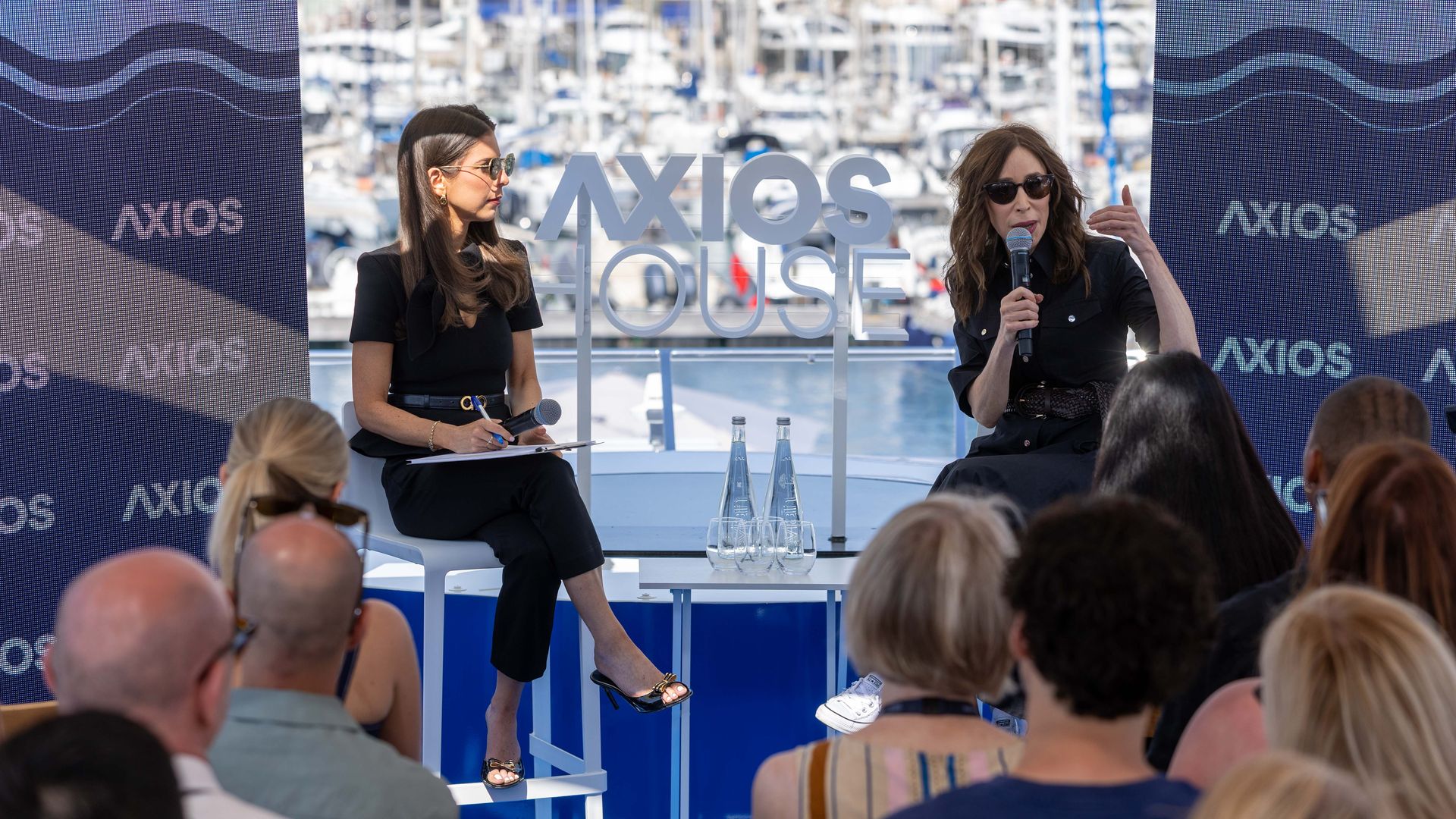
Axios' Sara Fischer (left) and New York Times president and CEO Meredith Kopit Levien speak onstage at Axios House Cannes on June 22. Photo: Nicolas Gavet for Axios
CANNES, France — The New York Times is confident in its AI legal fights and believes the law is on its side, president and CEO Meredith Kopit Levien told Axios.
- When asked what the Times' plan was should it lose, Levien said the company has worked hard in recent years "to build resilience" to the changing forces of tech.
Why it matters: Few news companies have the resources to sue the tech giants in precedent-setting cases that will likely define intellectual property rights in the AI era.
- Levien noted the company has spent $20 million on AI-related legal fees over two and a half years
What they're saying: "If there isn't a sustainable business model for high-quality independent journalism and other creative work, there won't be anything to move through the LLMs," Levien told Axios' Sara Fischer on Monday.
- "It's a really big issue for journalism, and for all creators, all rights holders. And ultimately, we think it's a really big issue for the public," she said.
- "We are living in a world right now where I would say there is an abundance of takes and much less original reporting, and that's because of all the business model pressure there's been on news organizations."
Catch up quick: The Times has sued Perplexity, OpenAI and Microsoft for copyright infringement, becoming the first major media company to pursue claims against leading AI firms.
- "The stakes are really, really high here. These companies that make the LLMs have taken our work. They've used it without our permission," Levien said.
Zoom in: Levien said the Times has built resilience to volatility and macro forces by investing in its core news business and building products to support that.
- That business model helps sustain and protect what she called the core act of independent journalism, where trained reporters go out in the world and unearth new information, "following a professional process to make sure that that is done to no one's interest but the public's."
- "That's the thing we are protecting, that's the thing we keep investing in, and we've invested into it more and more every year, and I think that's played a huge difference in the success of the Times," she said.
- "I really believe that when something big and important happens in the world, people come to the Times because they know they're going to get information they trust," she said.
What to watch: When asked about the future of the Times' video business, Levien said the medium is a "huge opportunity to get more engagement from the audience we already have" while also reaching new audiences.
- "We want to be as prepared for watching as we are today for reading and listening," she said.
- "The simplest answer I can give you is we want the Times to be as preferred a brand for watching news, and everything else we do: sports, journalism, shopping advice, cooking."
What's next: Levien said the Times is continuing to invest in its product to further grow its audience.
- "What you see us doing now is actually making that experience better and better for people who haven't yet subscribed and making it easier to build a relationship with us before you subscribe, so you can form a habit, fall in love and ultimately be a subscriber," she said.
