Warsh: AI spending may lift prices without fueling lasting inflation

Add Axios as your preferred source to
see more of our stories on Google.
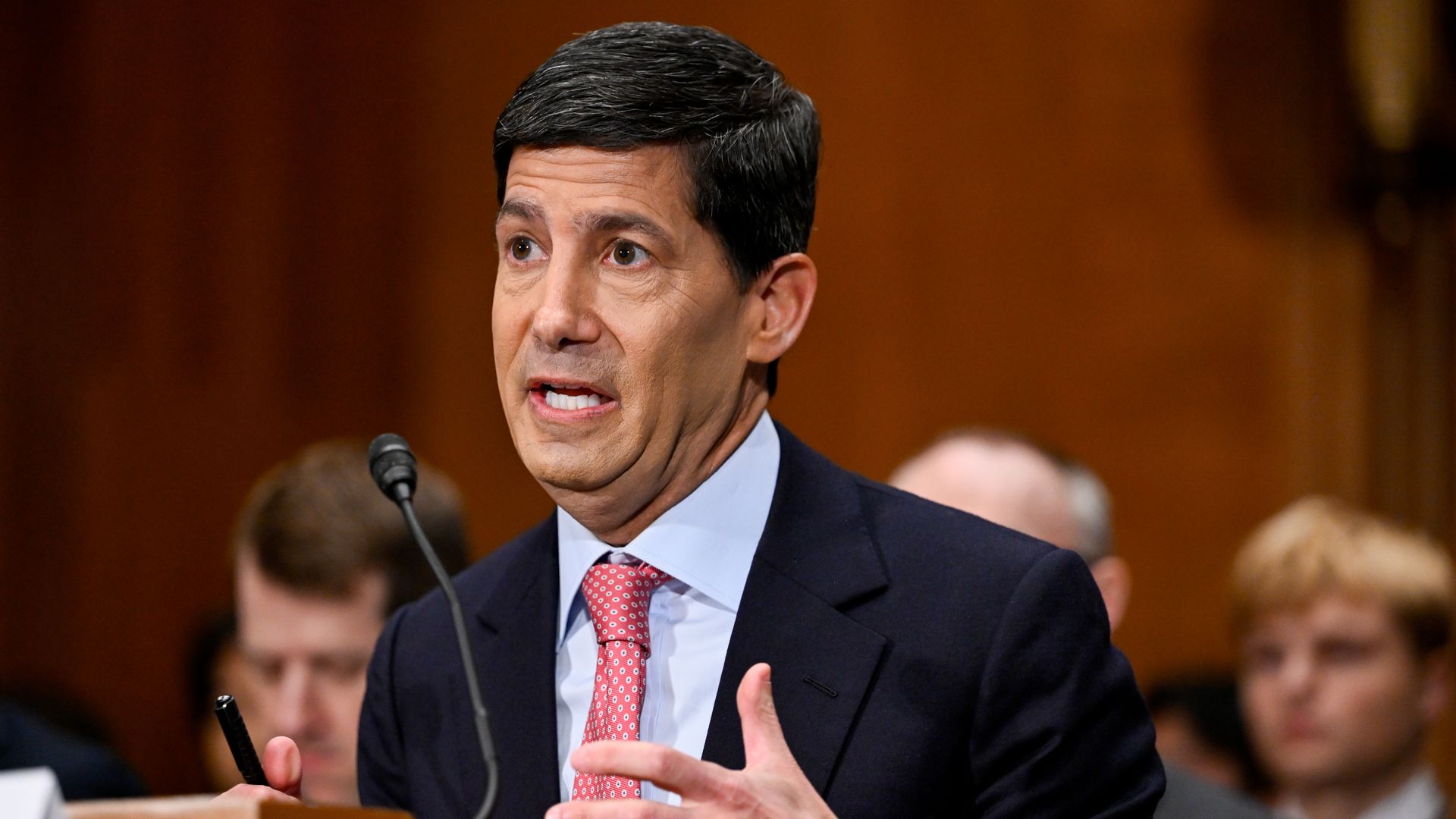
Federal Reserve chairman Kevin Warsh testifying before a Senate panel in Washington, D.C. on Wednesday. Photo: Daniel Heuer/Bloomberg via Getty Images
Federal Reserve chairman Kevin Warsh said on Wednesday that the AI investment boom will likely raise prices over the next year, but argued that those increases might not automatically be inflationary.
Why it matters: Warsh drew one of his clearest distinctions yet between the AI boom's immediate price effects and persistent inflation — a nuance that could shape policymakers' response as investment remains strong.
What they're saying: "Will it increase measured prices over the course of the next 12 months? I suspect it will," Warsh told lawmakers. "Whether that's inflationary or not, that's up to the Federal Reserve — and we're going to have something to say about that."
- Warsh said the AI boom is already driving capital spending and bidding up the price of chips, while policymakers are still largely guessing when the technology's broader productivity benefits will materialize.
- "I don't view a one-time change in prices as necessarily being inflationary, because I think there's a supply response in that way," he said.
The big picture: Fed officials are debating whether the AI investment boom's near-term burst of demand will add to inflation before its potential productivity gains arrive — on top of the price surges fueled by the Iran war.
- New York Fed president John Williams has said the technology buildout is increasing demand for certain goods and electricity, with rising costs beginning to affect prices. Fed governor Christopher Waller has similarly pointed to AI investment as a source of strong economic demand.
- "This is one of the good family fights," Warsh said in response to a question from Sen. Jack Reed (D-R.I.) about his colleagues' views.
Zoom in: Warsh made the comments during the second day of his semiannual monetary policy testimony before Congress, a legally mandated appearance by the Fed chairman.
- The House and Senate hearings were Warsh's first testimony on Capitol Hill since taking the reins of the Fed in May.
The intrigue: In an exchange with Sen. Chris Van Hollen (D-Md.), Warsh would not confirm whether he has spoken with President Trump since becoming Fed chairman.
- "I just don't want to be in the business of sharing discussions that the president and I have," Warsh said.
- "I can offer you this assurance: The president has not — before I took this office, before I raised my right hand — he has not tried to influence the conduct of monetary policy," Warsh added.
What to watch: Warsh said the findings from five outside-led task forces reviewing the Fed's monetary policy framework will arrive in the months ahead.
- "I'm not a very patient person. People have said that to do all this good work you'll need years. I gave them six months," he said.
- The task forces are studying the Fed's communications, balance-sheet strategy, economic data, productivity and employment and inflation frameworks, and are co-led by a roster of prominent outsiders, including economists and business executives.
