Anthropic CEO Dario Amodei says he does not support open-weight AI ban

Add Axios as your preferred source to
see more of our stories on Google.
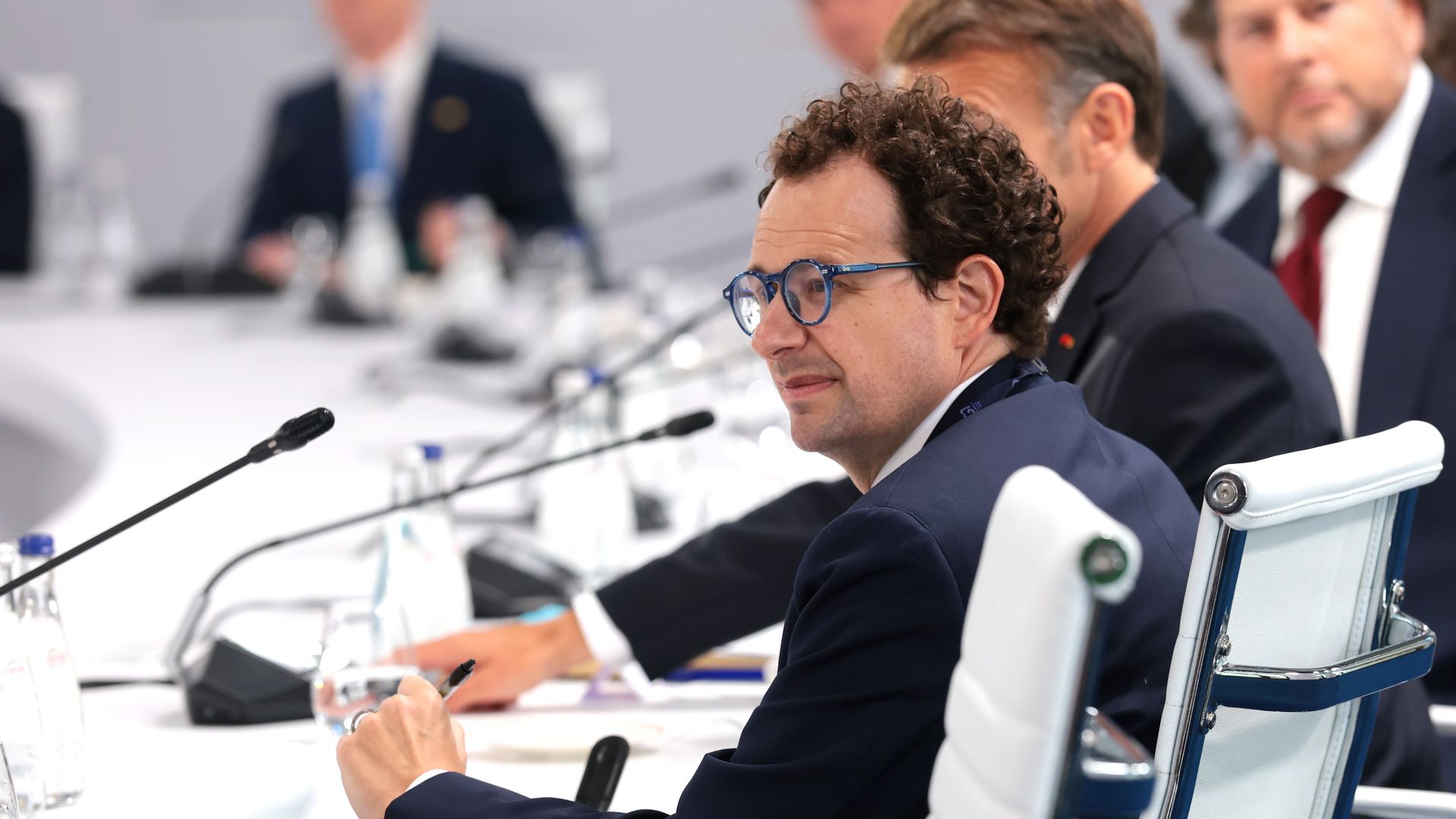
Dario Amodei. Photo: Anna Moneymaker/Getty Images
Anthropic CEO Dario Amodei said Monday that he has "never advocated" for a ban on open-weight AI models, rejecting accusations that his lab is seeking to shield its closed-model business from competition.
Why it matters: Anthropic has become the most prominent holdout from a new industry push to defend open-weight AI, after Nvidia, Microsoft, Meta, Google, OpenAI and dozens of other companies signed a letter urging Washington not to restrict the technology.
- The push was triggered by the shock debut of Kimi K3, a Chinese open-weight model that rattled Silicon Valley by approaching U.S. frontier performance at a fraction of the cost.
- The Trump administration has weighed taking action against open-source models, including sanctions against Chinese labs accused of stealing U.S. AI research through "distillation."
Driving the news: "Anthropic has never advocated for a ban on open-weights models," Amodei wrote in a new blog post, calling models without dangerous capabilities "a public good."
- He argued that a ban on Chinese open models would do little to stop the actual threat, since "bad actors are unlikely to be legitimate US businesses."
- He acknowledged a ban would shield U.S. labs like Anthropic from competition — but insisted "that has never been my goal."
Between the lines: Amodei is trying to draw a narrow line between opposing open-weight bans and supporting tougher controls on the most powerful AI systems.
- The Anthropic CEO said he agrees that open models can expand access, competition and customer control.
- But he rejected the letter's claim that open-weight models necessarily make AI safer or give cyber defenders an advantage over attackers.
Zoom in: Instead of a ban, which he said "would not address my most serious national security concerns," Amodei called for three narrower policies:
- Tighter controls on advanced chips and chipmaking equipment flowing to authoritarian governments, including the Chinese Communist Party.
- A crackdown on "industrial-scale distillation," or training models on the outputs of more advanced systems.
- Mandatory safety testing for sufficiently capable models, whether open or closed.
Catch up quick: Anthropic faced criticism after it declined to join Nvidia CEO Jensen Huang's open-weight letter.
- Google and OpenAI, Anthropic's two biggest closed-model rivals, signed on this weekend after originally abstaining. Anthropic still has not.
- Its absence fueled accusations — including from White House AI adviser David Sacks — that the company was using safety concerns to defend its own business model.
The bottom line: Amodei doesn't want Washington to ban open models. He wants Washington to regulate the chokepoints — chips, distillation and safety testing — that determine how powerful those models can become.
