Trump's secret plane switch puts Air Force One defenses in focus

Add Axios as your preferred source to
see more of our stories on Google.
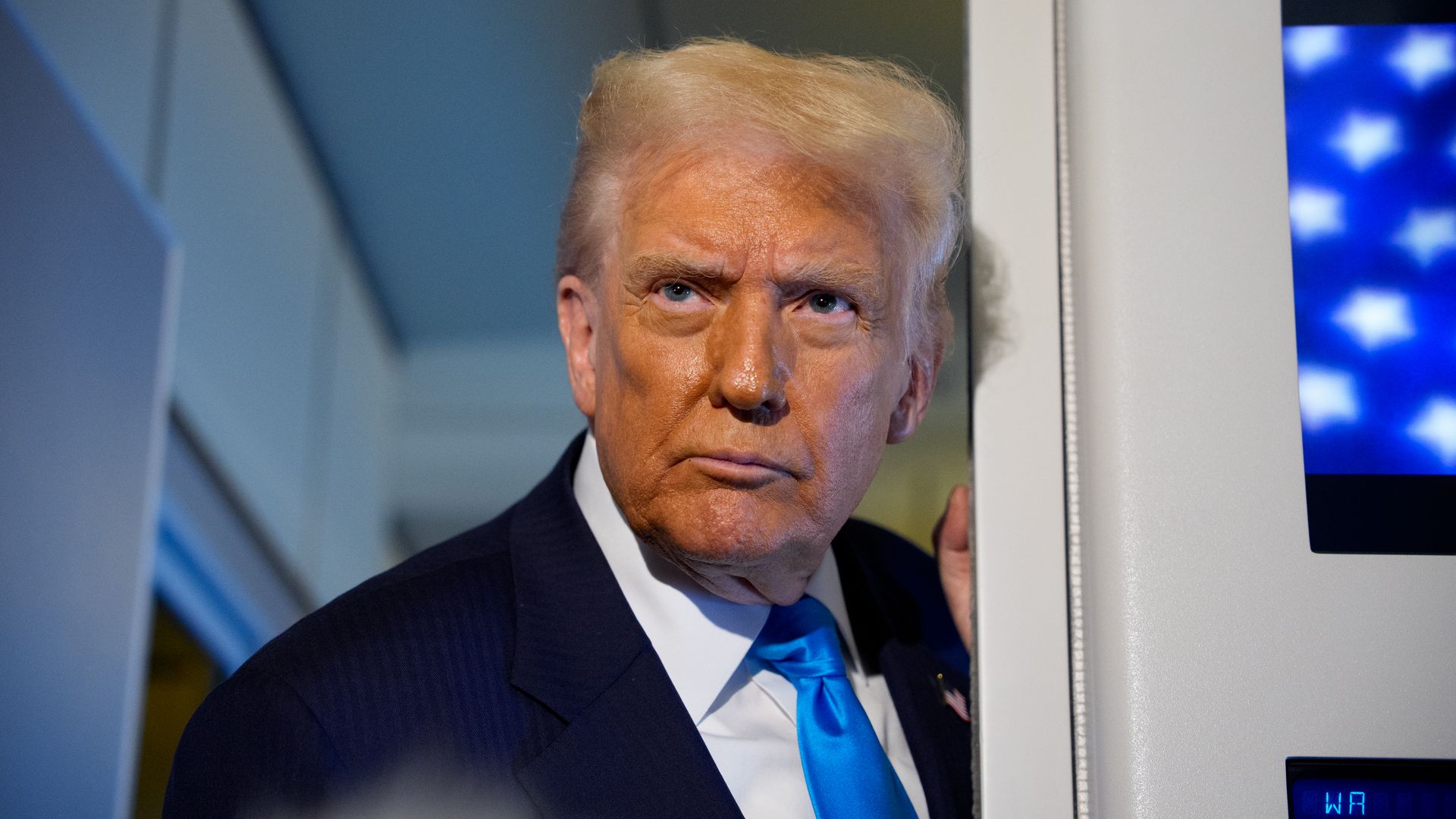
President Trump speaks to journalists aboard Air Force One in October 2025. Photo: Andrew Harnik/Getty Images
President Trump's secret plane switch in Turkey is putting Air Force One's security protocols and defensive capabilities in the spotlight.
Why it matters: Air Force One is the call sign for any Air Force aircraft carrying the president, meaning Trump's secret switch didn't change the designation — but it changed the plane protecting him.
Driving the news: A threat from Iran forced Trump to secretly switch planes, using a catering truck to move to a smaller aircraft, per the Washington Post.
- Trump flew to Turkey on a plane gifted by Qatar, which was meant to serve as Air Force One. Officials said he would return on an older presidential plane because of security concerns, per multiple reports,
- After boarding the older plane, Trump moved to a smaller Air Force C-32A, according to the reports. All three planes flew to the U.K., where Trump joined the Qatari plane and flew home.
When asked for comment Tuesday, the Air Force pointed Axios to a statement about the Qatari-gifted plane, dubbed the "VC-25B Bridge."
- The White House did not immediately respond to Axios' request for comment.
How Air Force One handles threats
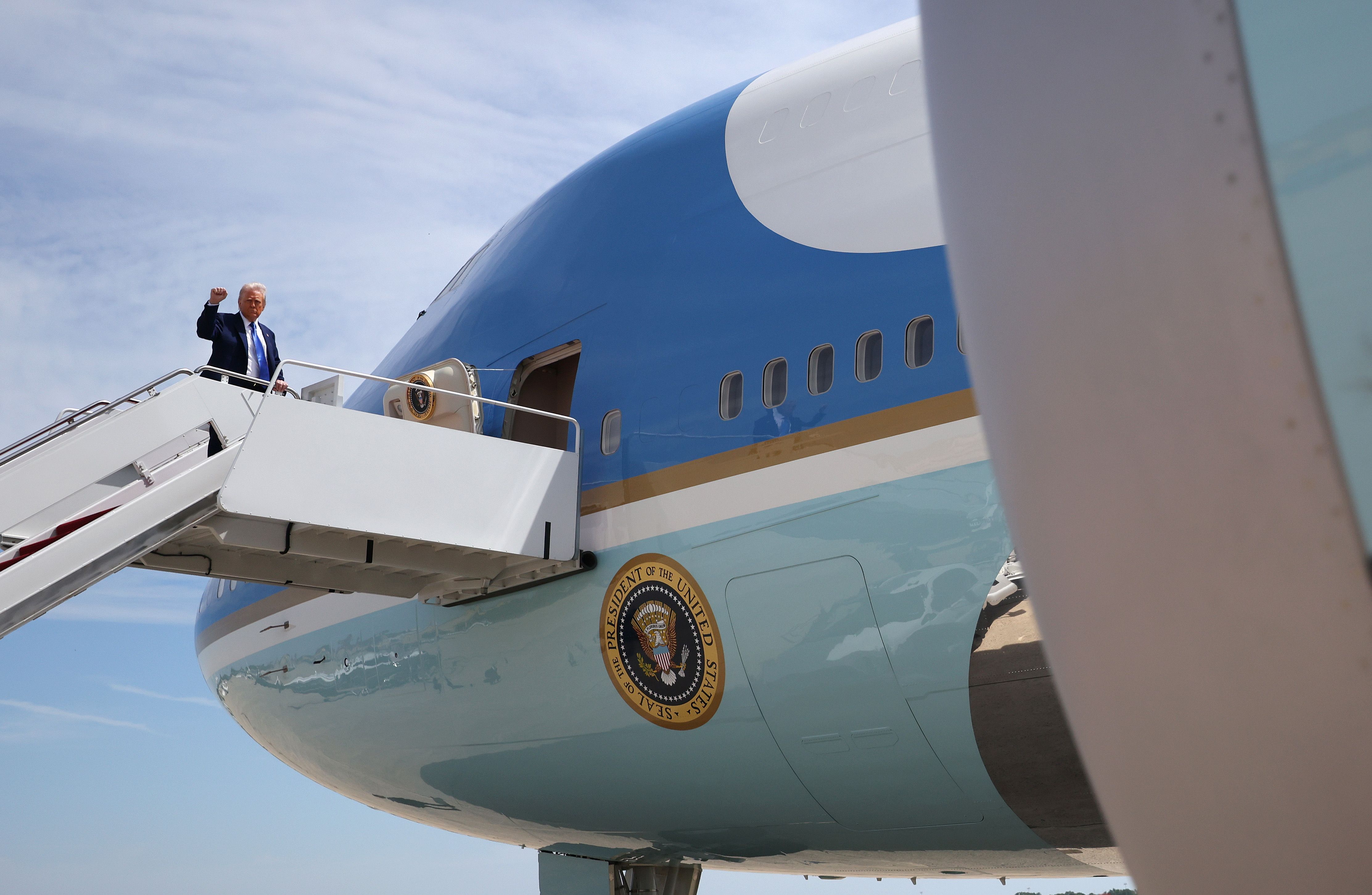
Context: Boeing 747-200Bs designated as VC-25A have served as the primary Air Force One aircraft since the '90s and are designed to withstand multiple threats.
- EMP protection: The aircraft has shielding to withstand an electromagnetic pulse (often seen from nuclear detonations), per the White House. Its airframe is reinforced with ballistic-resistant materials.
- Command and control: The White House says the plane is fitted with "advanced secure communications equipment" to operate as a mobile command center during any attack on the U.S.
- Missile threat defense: Air Force One contains multiple defense systems to help the plane detect any imminent threat. The Pentagon says the plane comes with "a self-defense system."
- In-flight refueling: The White House says the VC-25A can refuel while in the air, increasing the aircraft's survival capabilities.
- Protected airspace: Fighter jets have escorted Air Force One in the past.
What the Qatari-gifted jet has
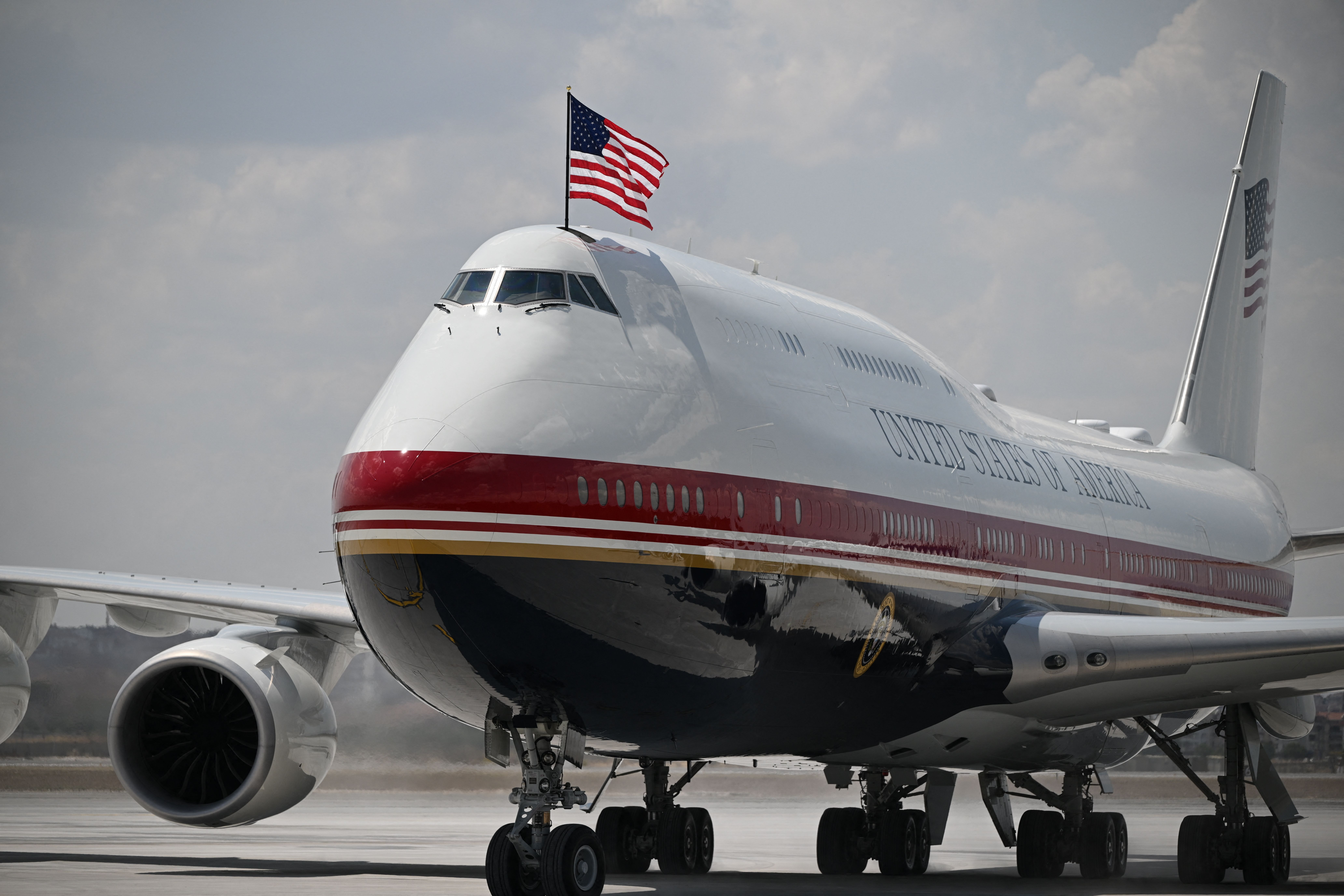
The Qatari jet was first used for presidential travel July 1 and was meant to "relieve pressure" on the VC-25A fleet, per the Air Force.
- The Air Force's replacement VC-25B program has faced delays and cost at least $280 million.
The plane has security features required for presidential travel.
- Per the Air Force, the contractor L3Harris worked to modify the aircraft for security and communication purposes, given their experience working on the other VC-25A aircraft.
- The Air Force said the plane has a full suite of mission communications, like nuclear command-and-control, and "he aircraft underwent inspections for potential hazards because it came from a foreign government.
By the numbers: Air Force Secretary Troy Meink said in June the conversion of the Qatari jet cost less than $400 million.
What the Qatari jet doesn't have
What we know: Many details of the Qatari-gifted plane remain unclear.
- AP and the New York Times reported that the "Bridge" plane lacks the advanced antimissile capabilities of previous Air Force One models.
- A security expert has specifically pointed to the absence of a laser-based countermeasure to protect large aircraft against missile threats.
The other side: The Air Force maintains that the plane was rapidly modified to meet core Air Force One requirements.
- "The aircraft is safe, secure and equipped with the most advanced technologies necessary to meet the requirements of the presidential mission," the Air Force says.
The bottom line: The secret switch underscores that presidential air security depends not just on which aircraft bears the Air Force One call sign, but on the capabilities of the aircraft itself.
Go deeper: Trump Marine One flight under investigation after potential safety mishap
Editor's note: This story has been updated with the Air Force's response.
