Exclusive: Hands on with ChatGPT's new image editor

Add Axios as your preferred source to
see more of our stories on Google.
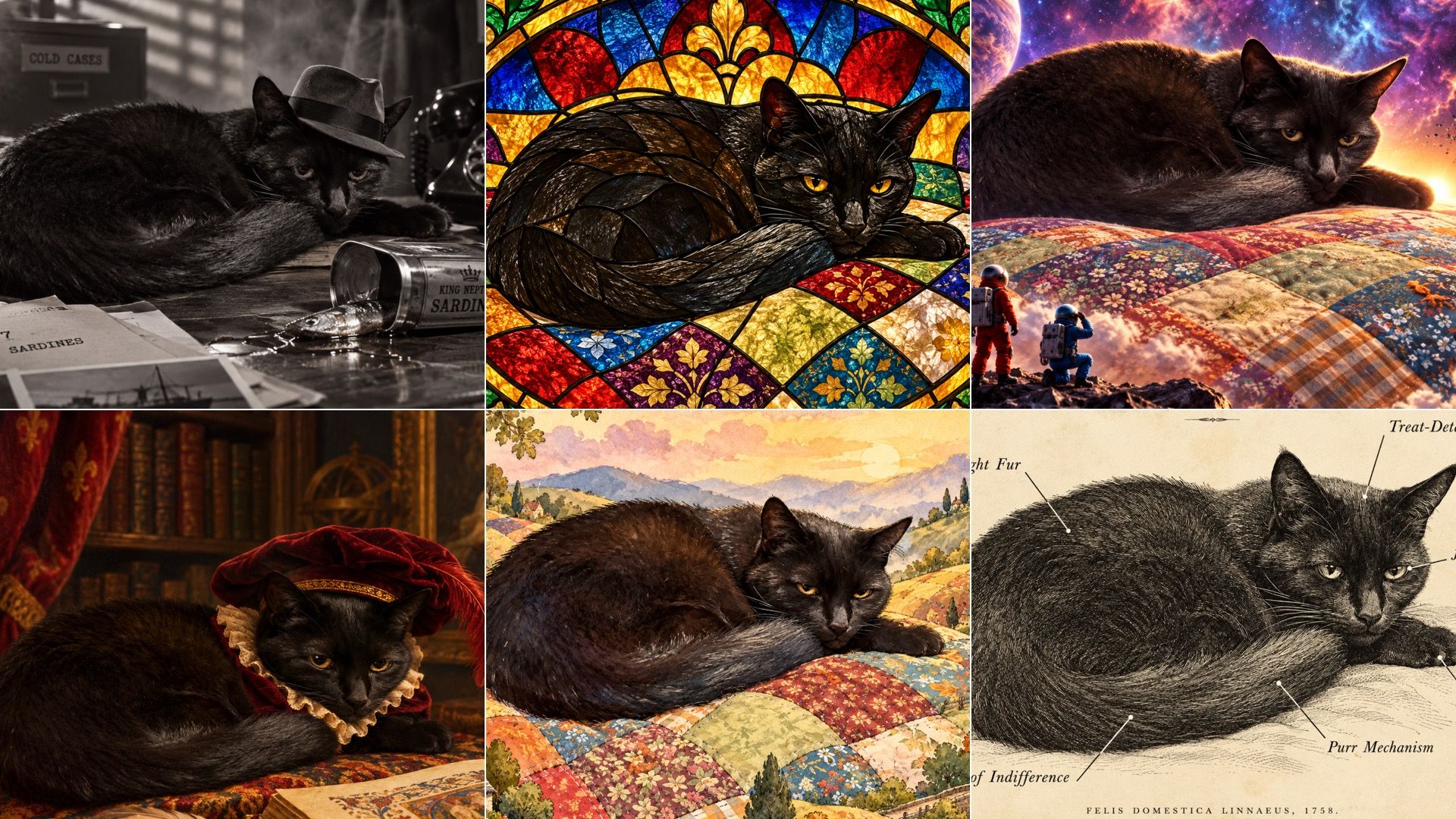
Various AI-generated images of Raven using ChatGPT Images 2.5. Screenshots: Axios
OpenAI is launching ChatGPT Images 2.5 on Tuesday, the company shared first with Axios.
Why it matters: For all their capabilities, AI image generators have struggled in the past to keep people and pets looking like themselves, and editing tools have been limited.
The big picture: The updated image engine within ChatGPT is not only faster than its predecessor, but does a much better job preserving the likeness of people and pets and allows for more detailed editing, according to Axios' early testing of the model.
- The new model can generate images up to 50 percent faster, OpenAI says.
- It has also added tools that allow people to base image generations (and edits) on sketches, as well as to visually indicate where they want changes, rather than relying solely on words.
State of play: Axios gave ChatGPT a number of tasks to handle using its new image engine, including creating a logo, converting an existing cat photo into a new genre and designing a friend's next tattoo.
Zoom in: For the cat photo, we uploaded a photo of Ina Fried's cat Raven and asked ChatGPT for some suggestions
- It offered a bunch of great options including film noir detective, stained-glass window and Renaissance portrait.
- As with other requests, its chain of thought posts revealed some of how it managed to capture the essence of its subject. In this case, it highlighted preserving Raven's "wonderfully unimpressed expression."
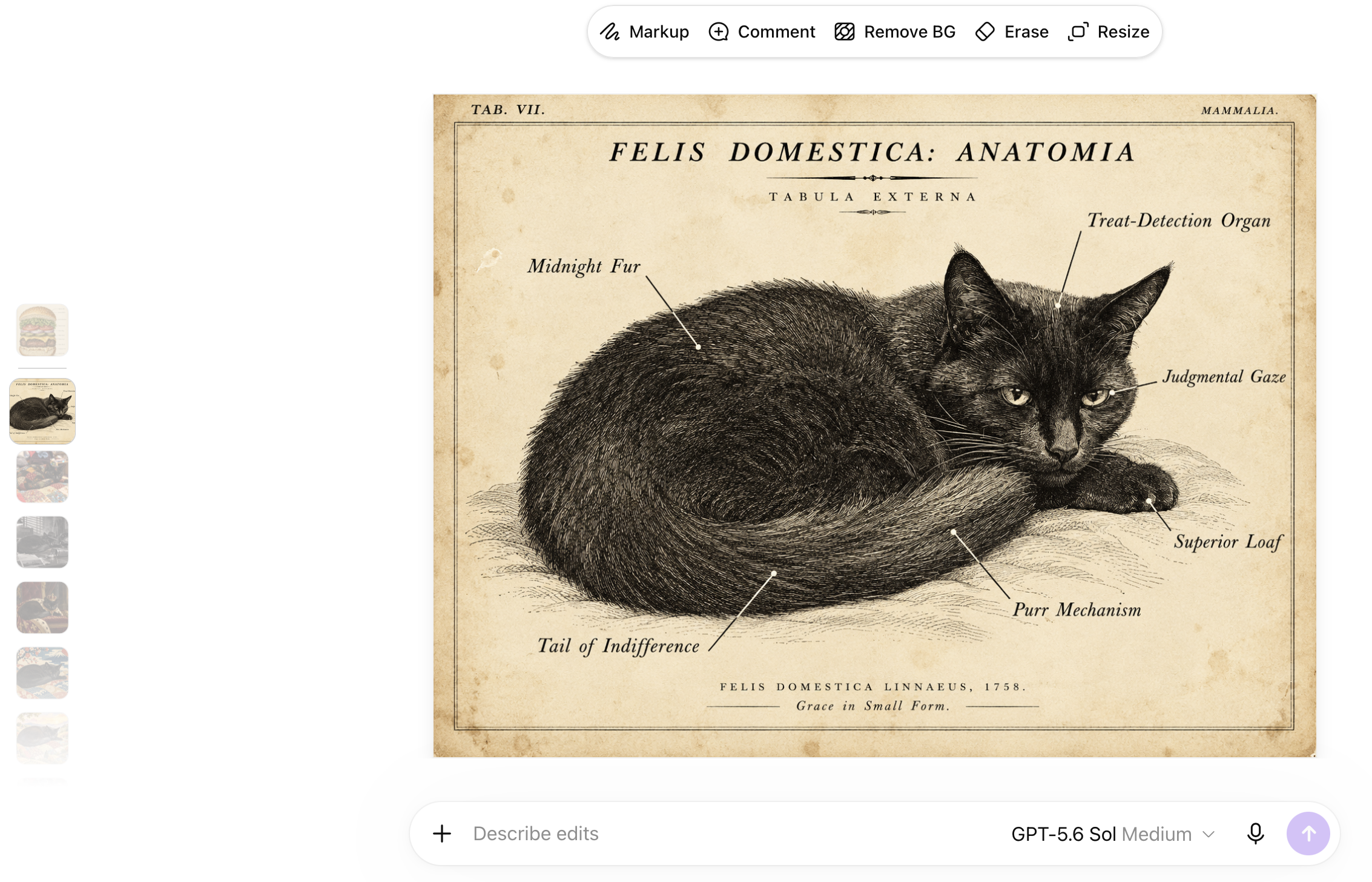
- Among my favorites was a humorous anatomical cat diagram that accurately labeled Raven's eyes as a "gaze of judgment," her brain as a "treat detection organ" and noted her "tail of indifference."
- For the tattoo, we uploaded a picture of my friend's existing arm tattoo and a text description of what she wanted added around it. It returned four suggestions, showing what each would look like superimposed next to her existing tattoo.
- She suggested a few edits, including making certain parts lighter and circled a part on the tattoo design where she wanted a specific change.
- ChatGPT offered revised designs and, in the end, she asked it to split the difference, which it did. ChatGPT even connected her to a local tattoo artists who specialize in that type of design (when asked to do so).
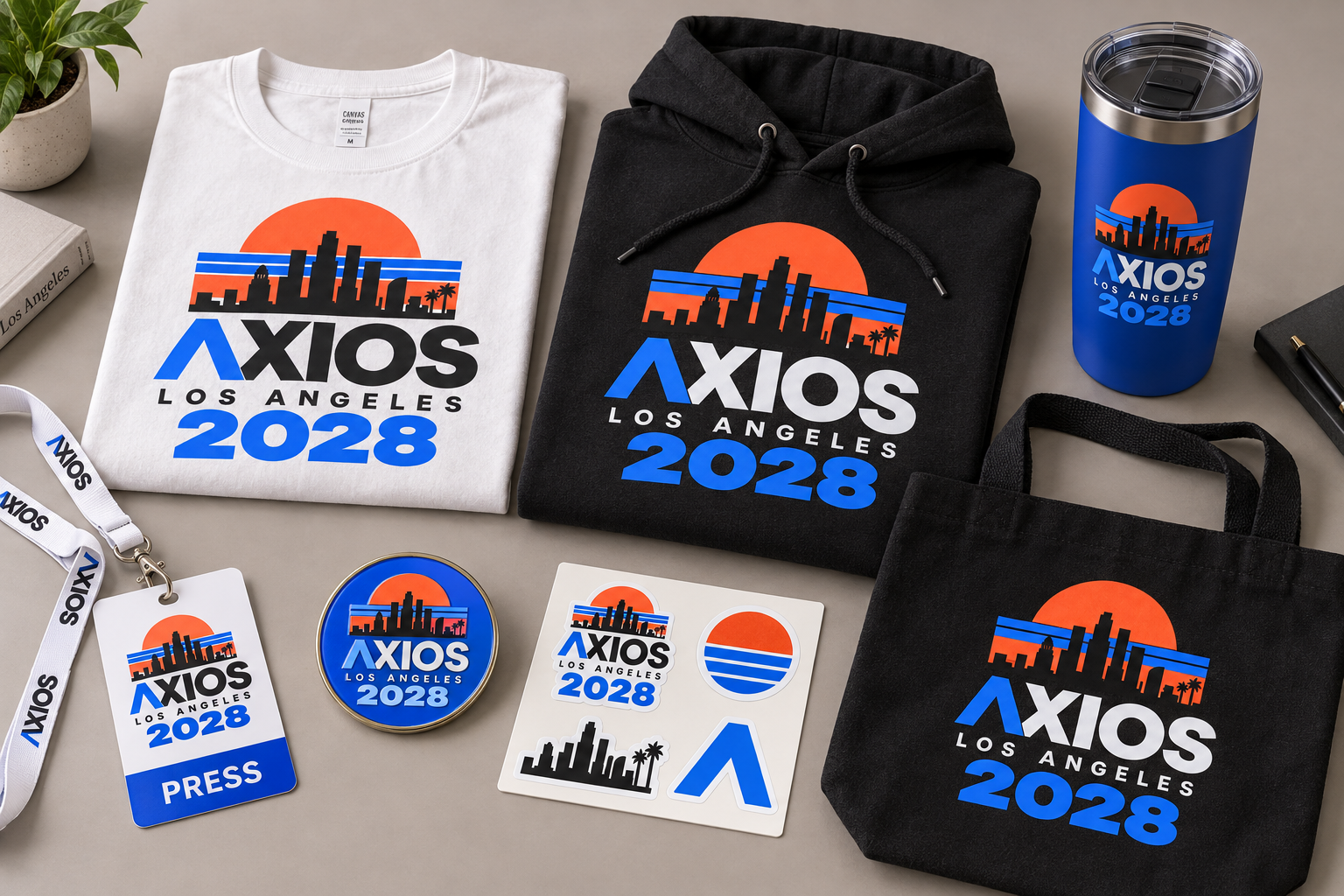
- For the logo, we asked ChatGPT to create a logo for Axios' coverage of the 2028 Olympics, using the Axios logo, while avoiding the word Olympics or the rings, as organizers take their trademarks very seriously.
- The first rendition was a bit underwhelming, but after suggesting the sun behind a downtown silhouette, it came up with something a bit more compelling, which it then applied to a range of merchandise, as requested.
Zoom out: Also compelling are the new editing tools, which allow someone to type and place the words they want, sketch an object to be added and make other precise changes without relying only on words.
Between the lines: Any discussion of AI image generation is incomplete without acknowledging its ethical implications.
- There's a reason an image editor can turn a photo into something that looks like "The Simpsons" or transform someone into a "Sesame Street"-style Muppet. Generative AI systems were trained on the work of real artists — famous and otherwise — usually without consent or compensation.
- Ina has been an enthusiastic early user, making soccer cards for her son's team, turning photos into coloring pages for parties, and designing logos. But she's also heard strong pushback from friends who now find themselves competing with systems built, in part, on uncompensated creative labor.
The other side: "The sketch tool and these templates are kind of an attempt to make people more engaged in the process of creation, rather than them being a passive force," Adele Li, OpenAI's product lead on images, told Axios.
- Li said the goal is that this model helps shift the notion of a singular AI aesthetic.
- "I don't want to be able to see ChatGPT in the world," she said. "I want people to be able to generate and express their own individualism."
Bottom line: Each generation of image engines shows dramatic improvement, similar to the leaps we have seen with text-based models.
- There are still sometimes hallmarks of it being AI (in addition to the automatic invisible watermarks) but it's definitely getting harder to tell.
