Axios Live: The fight over who pays for AI's power boom

Add Axios as your preferred source to
see more of our stories on Google.
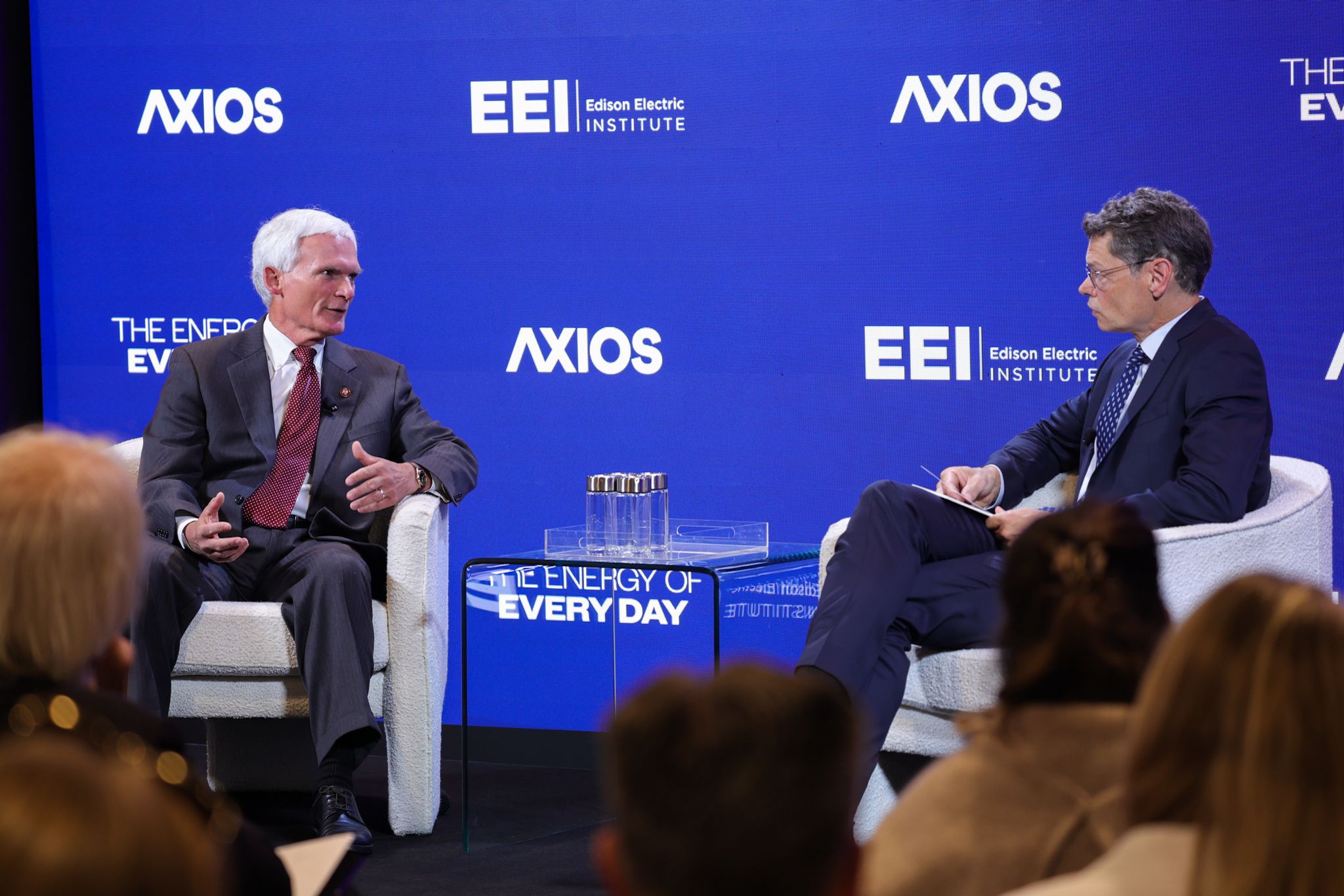
WASHINGTON — Lawmakers agree that consumers shouldn't fund the massive power needs of AI data centers. They're less aligned on whether Congress will actually stop that from happening.
Why it matters: The AI boom is colliding with an aging grid and long waits for new power projects — forcing policymakers to figure out how to add power fast without sticking households and businesses with the bill. Data centers are also emerging as one of this midterm cycle's most volatile political issues.
Axios' Hans Nichols and Ben Geman moderated conversations about the future of energy with Rep. Bob Latta (R-Ohio), Rep. Sam Liccardo (D-Calif.), U.S. Energy Information Administration administrator Tristan Abbey, and Ted Trabue, interim chairman of the Public Service Commission of the District of Columbia. The Sept. 15 event was sponsored by the Edison Electric Institute.
What they're saying: Latta said he expected the House's Ratepayer Protection Act, which aims to shield existing customers from costs tied to new data centers, to pass with overwhelming support. The House debated the bill Tuesday, then postponed the vote. It passed Wednesday.
- "The data centers have to pay for themselves," Latta said. "It shouldn't come back to the existing ratepayers."
- He also called for faster permitting and more power generation as demand surges.
The other side: Liccardo shares the goal of protecting consumers but dismissed the House bill as "a nothing burger," even as he said he'd likely vote for it.
- "This is sort of a familiar charade we see on the floor these days," he said, arguing the voluntary federal standard would have little practical effect because states can choose whether to adopt it.
- Instead, Liccardo said he wants to offer data-center developers faster grid connections in exchange for investments that protect local communities and ratepayers.
- The Energy Dominance Financing Program has $289 billion in available loan authority toward U.S. energy and manufacturing projects "that add energy to the grid or enhance reliability," according to the Department of Energy.
The intrigue: Abbey said the EIA is preparing to launch a weekly electricity report, designed to make changes in U.S. electricity easier to track in real time, especially as AI adds new strain to the grid.
- The EIA already makes hourly and monthly electricity data available.
Zoom out: Consumers don't have to live in a data center hub to feel the effects. Demand in one part of a regional grid can put pressure on customers elsewhere.
- Case in point: D.C. imports nearly all of its electricity and competes for power across the PJM grid, including with data center-heavy northern Virginia.
- Trabue said the supply portion of customers' bills has roughly tripled over the past three years as demand has grown faster than new generation.
On AI guardrails: Both lawmakers backed a federal role in AI regulation as frontier lab CEOs themselves call for a slower development pace.
- Latta said AI likely can't simply be stopped but needs guardrails.
- Liccardo pointed to audits, testing disclosures and kill switches, while acknowledging that "we really don't know how to regulate AI."
What's next: AI is accelerating an electricity buildout that policymakers already knew the country needed.
- Now comes the harder part: expanding the grid fast enough — and deciding who pays.
Content from the sponsor's segment:
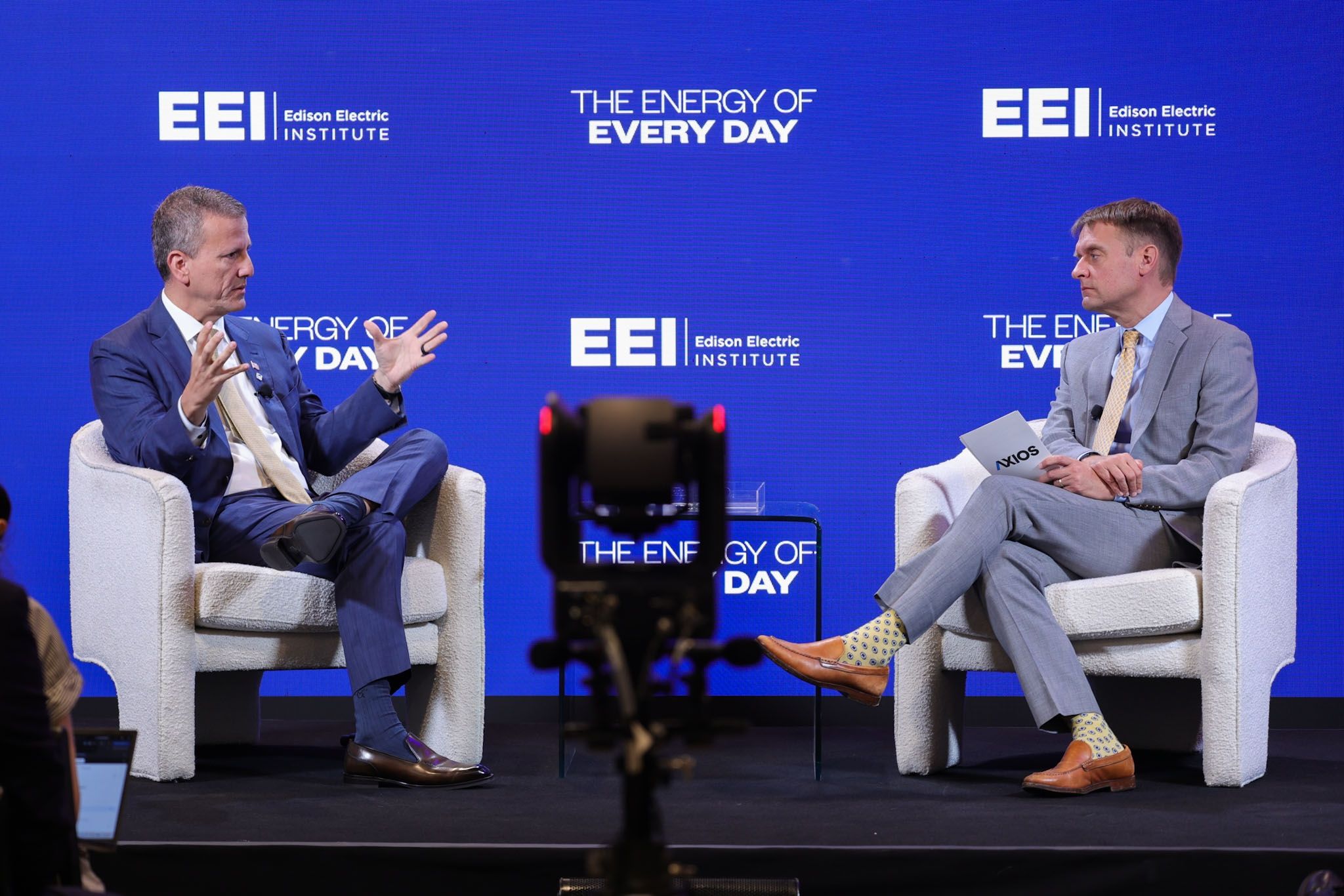
In a View From the Top conversation, Harry K. Sideris, president and CEO of Duke Energy, said the utility is structuring agreements so data centers cover the costs of the infrastructure needed to serve them.
- "They have to pay their costs. They can't be subsidized by the rest of our customers," Sideris said.
Go deeper: Watch the full event
Editor's note: This story was updated to reflect the House's Ratepayer Protection Act passed.
