Google launches Googlebook in bid to rethink laptop

Add Axios as your preferred source to
see more of our stories on Google.
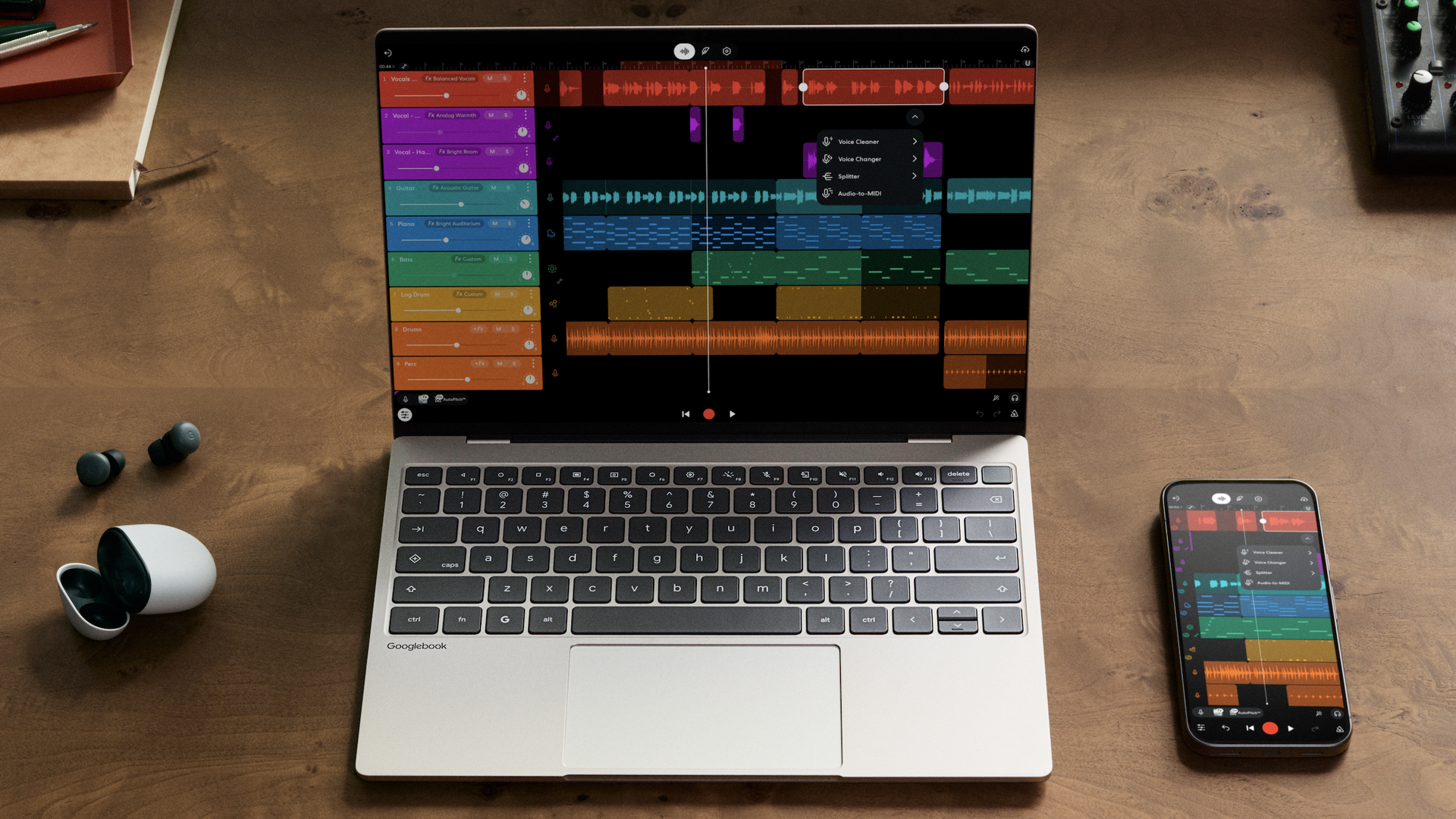
Image: Google
Google is launching a new line of laptops with a starting price of $899, aiming to rethink the laptop for an AI world where people move constantly between phones and computers.
Why it matters: The tech giant is trying to build a laptop that works as smoothly for premium Android phone users as Apple's MacBook works with the iPhone. The goal is a seamless device ecosystem.
Googlebook, which will have a low-end price point well below the $1,299 entry-level MacBook Air, isn't meant as a Chromebook replacement or a laptop for every possible buyer.
- "We're not showing up today and saying this is the laptop that replaces all laptops," top Android executive Sameer Samat said in an interview, calling Googlebook the beginning of a "multiyear endeavor."
- "The first version of Googlebook is really about building an amazing laptop for the Android community," he said.
Driving the news: The company said Monday it is opening preorders for five Googlebooks from Acer, Asus, Dell, HP and Lenovo, with starting prices ranging from $899 to $1,299. The first devices hit store shelves Oct. 4 in the U.S.
- The partners are handling the hardware while Google controls the software experience. Samat said the approach gives consumers more choice, with different sizes, designs and form factors, while ensuring that each model works with Android phones in the same way.
Catch up quick: Google first announced Googlebook in May as something of an AI sequel to the Chromebook. The company previewed Gemini integration, Magic Pointer, Android app support, phone-file access and the ability to use phone apps from a laptop.
Zoom in: Googlebook combines a desktop experience derived from ChromeOS with Android underneath, allowing native Android apps to run alongside a full desktop Chrome browser, web apps and Linux tools.
- One of its most distinctive features is Magic Pointer. Users wiggle the cursor over something on screen to summon Gemini, which can understand the text, images and context there — helping with tasks such as scheduling an event, checking an email or analyzing a group of images.
- The laptops can be powered by either x86 processors, like those from Intel, or ARM-based chips, initially from Qualcomm but eventually also from MediaTek.
- Samat said he uses a Googlebook as his primary laptop, and that Magic Pointer makes it easier to give Gemini context without downloading, uploading or switching between apps.
- Google is also emphasizing continuity with Android phones: Users can pick up tasks where they left off, access phone files and use phone apps from a laptop without installing them.
The intrigue: Googlebook also isn't replacing Chromebooks. Samat said ChromeOS is still widely used in education and business environments where multiple people often share a device.
- "ChromeOS has a really strong place in the market," he said. "We are very committed to that."
What's next: Googlebook is a long-term bet, not an overnight attempt to replace the laptop market.
- Samat said this launch is "just the beginning" and that he expects more companies to build Googlebooks if consumers respond positively. He declined to say whether Google will eventually release a Pixel-branded Googlebook.
The bottom line: The question is whether Google can turn device continuity, Android apps and useful AI into a compelling enough advantage to convince some buyers their next laptop should be something other than a Mac or Windows PC.
