The incoming House Dems who shocked even their own party

Add Axios as your preferred source to
see more of our stories on Google.
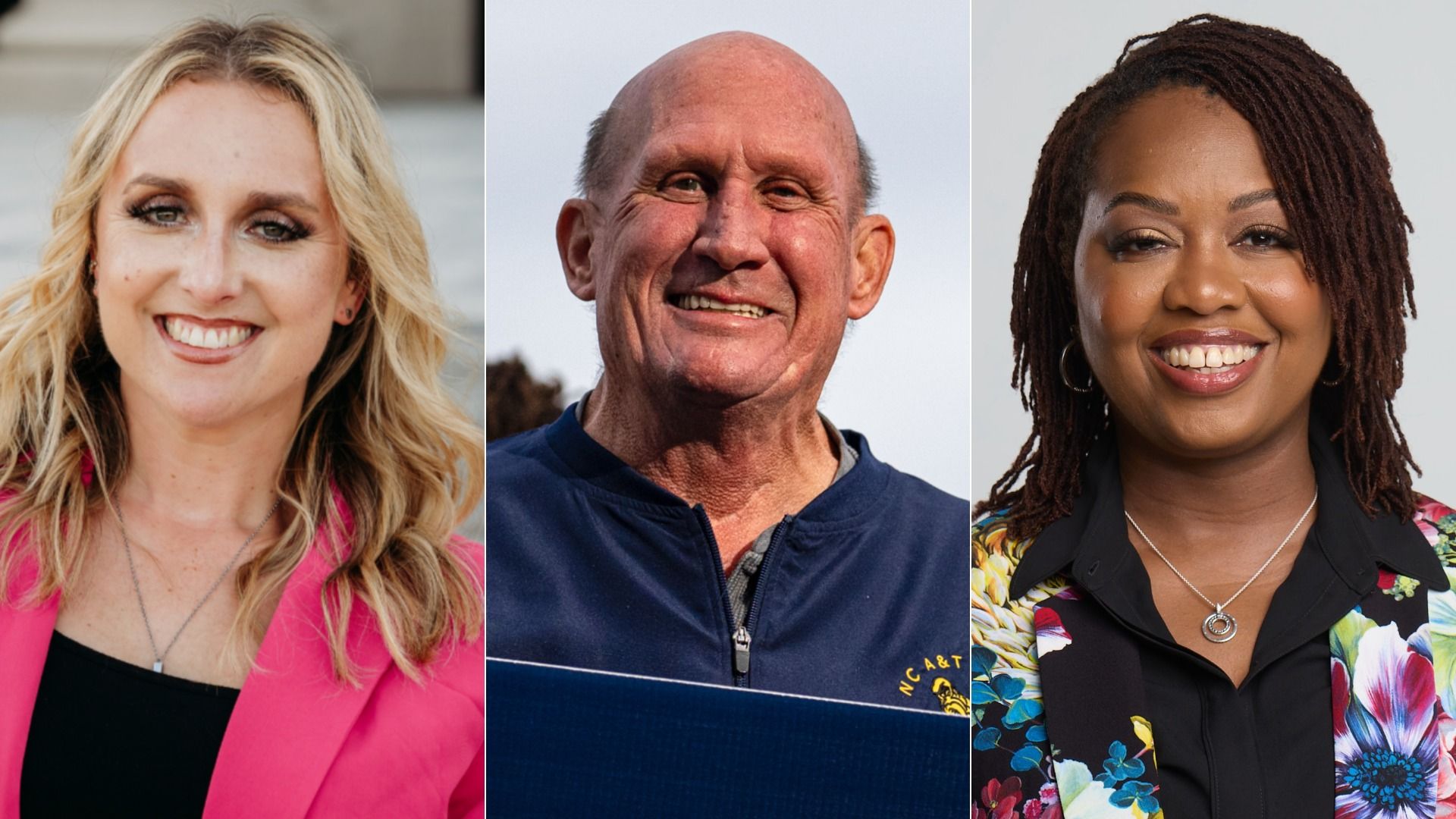
Sources: Victoria Broderick for Congress, Al Drago/Bloomberg via Getty Images, LaKesha Womack for Congress
Tuesday's blue tsunami is poised to sweep an unusually large cohort of House Democrats into office who are virtually unknown outside of their districts.
Why it matters: Obscure though these incoming lawmakers may be on Capitol Hill, they are poised to play a major role in determining the direction of the Democratic Party.
- House Democrats' progressive and centrist wings are both looking to recruit as many of these so-called "wave babies" as possible to grow their strength for the ideological fights ahead, Axios reported on Wednesday.
- Rep. Pramila Jayapal (D-Wash.), a co-chair of the Congressional Progressive Caucus' PAC, told Axios some of these candidates applied for her group's endorsement but didn't get it because "honestly.... the districts looked so tough."
- "We will definitely be reaching out to them," she said.
What we're hearing: Several Democratic operatives told Axios they had to Google many of the candidates who won upset victories in North Carolina, Tennessee and elsewhere on Election Day.
- "Never heard of them," a senior House Democrat, who was involved in battleground House races, told Axios.
- Said another House Democrat: "I don't think they were on my radar, and they were not on any of the DCCC's targeted lists from what I am aware."
Tennessee 4th: Victoria Broderick
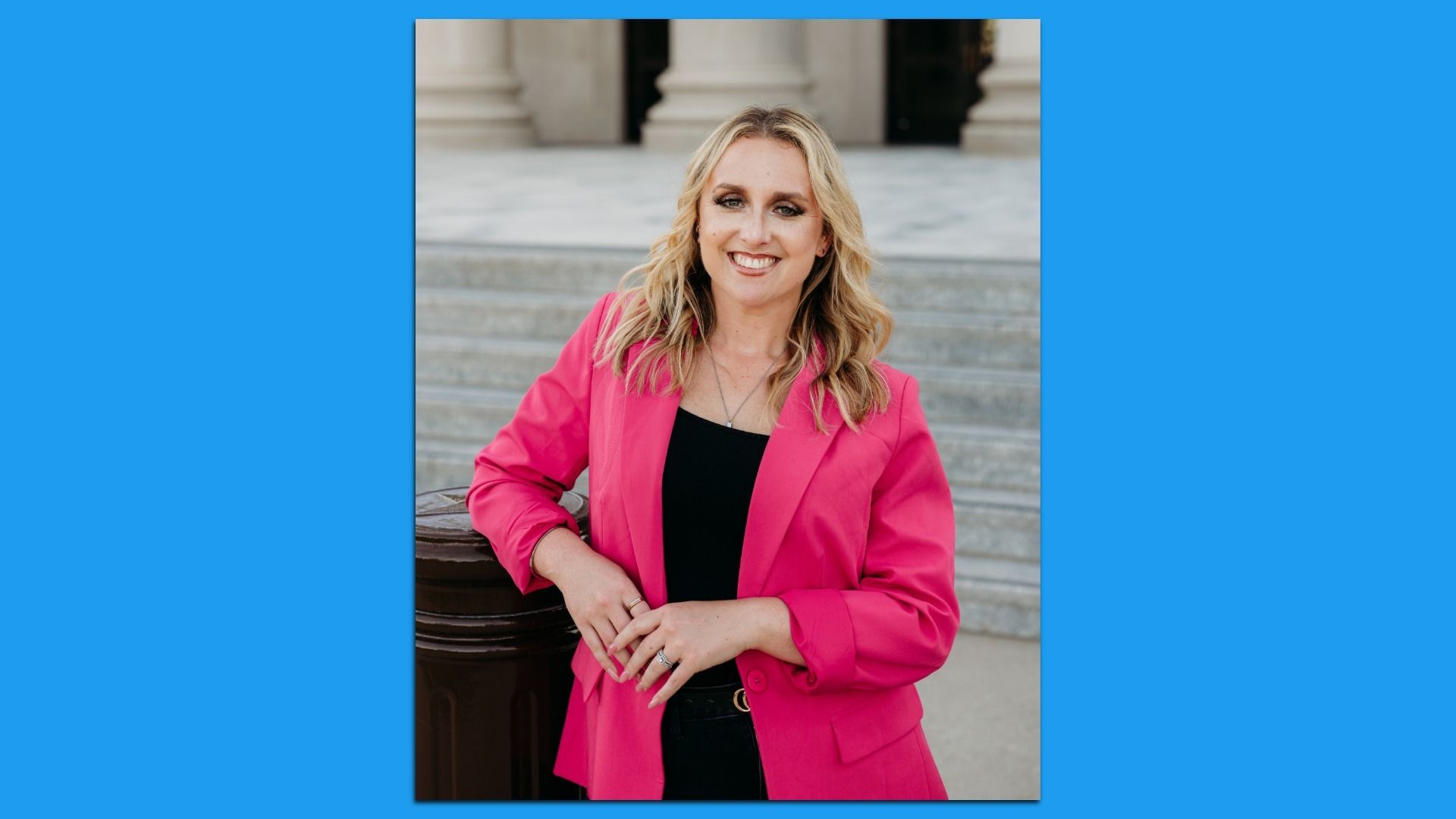
Perhaps the most stunning result of the night was Broderick's upset over longtime Rep. Scott DesJarlais in a seat President Trump carried by 24 percentage points in 2024.
- Broderick leads DesJarlais by just 280 votes but told Axios in an interview she is "100% confident" of victory and is "ready to be a representative."
- "There's a little shock, and there's almost a beauty in that. It's beautiful, it's poetic, for the district," said Broderick, a local activist and tech support worker.
DesJarlais had regularly won in landslides since he was first elected in 2010, despite a history of scandals.
- GOP state legislators drew Republican voters out of his Trump+43 district this year and replaced them with Democrats to make neighboring seats more favorable.
- That opened the door for Broderick, who previously lost to DesJarlais by more than 40 points when she challenged him in 2024.
- Broderick had spent just $90,000 to DesJarlais' $500,000 as of Oct. 14, according to Federal Election Commission filings. Neither national party spent on the race.
"I'm a progressive," Broderick told Axios. "I ran the most progressive race they've ever had in that district. ... I ran on safety, affordability, freedom and equity."
- Broderick said she supports universal health care and that "every working person deserves affordable living."
- Asked if she would vote for House Minority Leader Hakeem Jeffries (D-N.Y.) as speaker, she said: "We are still waiting to get our feet wet and understand where we're going with everything, so I am not going to say 'yes' or 'no' to that question."
North Carolina 5th: Chuck Hubbard
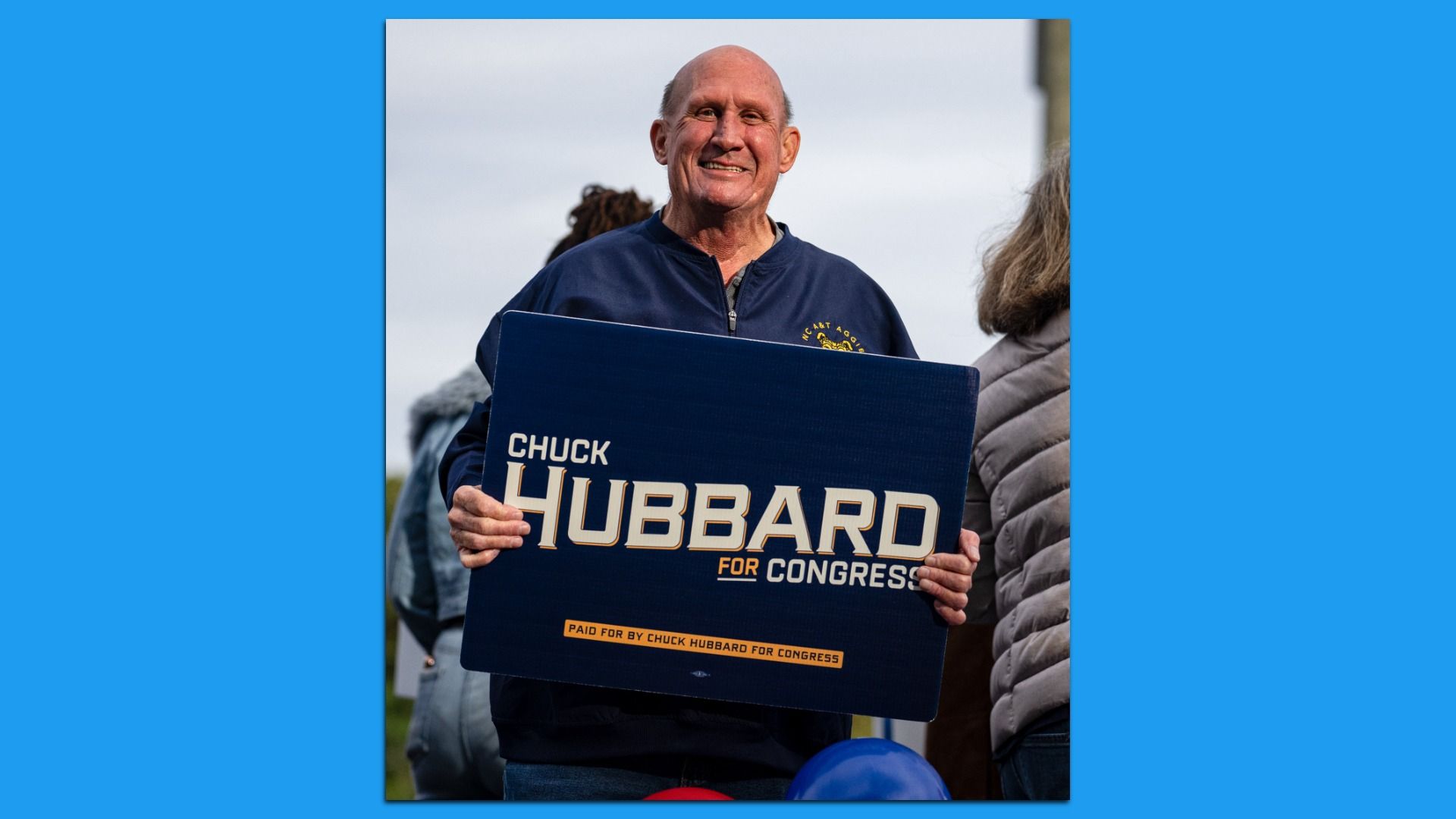
Like several others, Hubbard benefited from a combination of a Republican "dummy-mander" and strong coattails from Democratic Senate candidate Roy Cooper.
- The retired local newspaper journalist and publisher is on the verge of an upset over Rep. Virginia Foxx, the chair of the powerful House Rules Committee. Hubbard leads by 99 votes in a district Trump carried by 17 points in 2024. (AP has not called this race, and there are provisional and overseas ballots still to be counted.)
- The seat was made less Republican-leaning in 2024 when GOP legislators redrew North Carolina's maps to turn their evenly split U.S. House delegation into a 10-4 Republican one. Now it's likely to be 10-4 Democratic.
- Like Broderick, Hubbard previously challenged Foxx in 2024 but lost by 19 percentage points.
Foxx had a more than 2-to-1 spending advantage this year, with $1.6 million in disbursements as of Oct. 14 to Hubbard's $700,000, per FEC filings.
- The only national party ad spending was $175,000 from the Democratic group American Bridge, according to AdImpact.
- Cook Political Report rated the race as "likely Republican."
- "I know it wasn't on anybody's radar, but that's not required to win the race," Hubbard said in an interview. "The person who has to believe in winning the race is me."
Hubbard described himself as "probably center-left," saying he "might rate conservative, even, financially" but that "when it comes to social issues, I probably skew to the left."
- On health care: "I'm in favor of public choice in health care. You can call it universal health care, you can call it Medicare-for-All."
- On Israel aid: "We're going to have to find a way to exert some control on Netanyahu."
- On voting for Jeffries as speaker: "I have nothing against Hakeem Jeffries at all, but I think it's unwise to say ... before talking to him."
North Carolina 6th: Cyril Jefferson
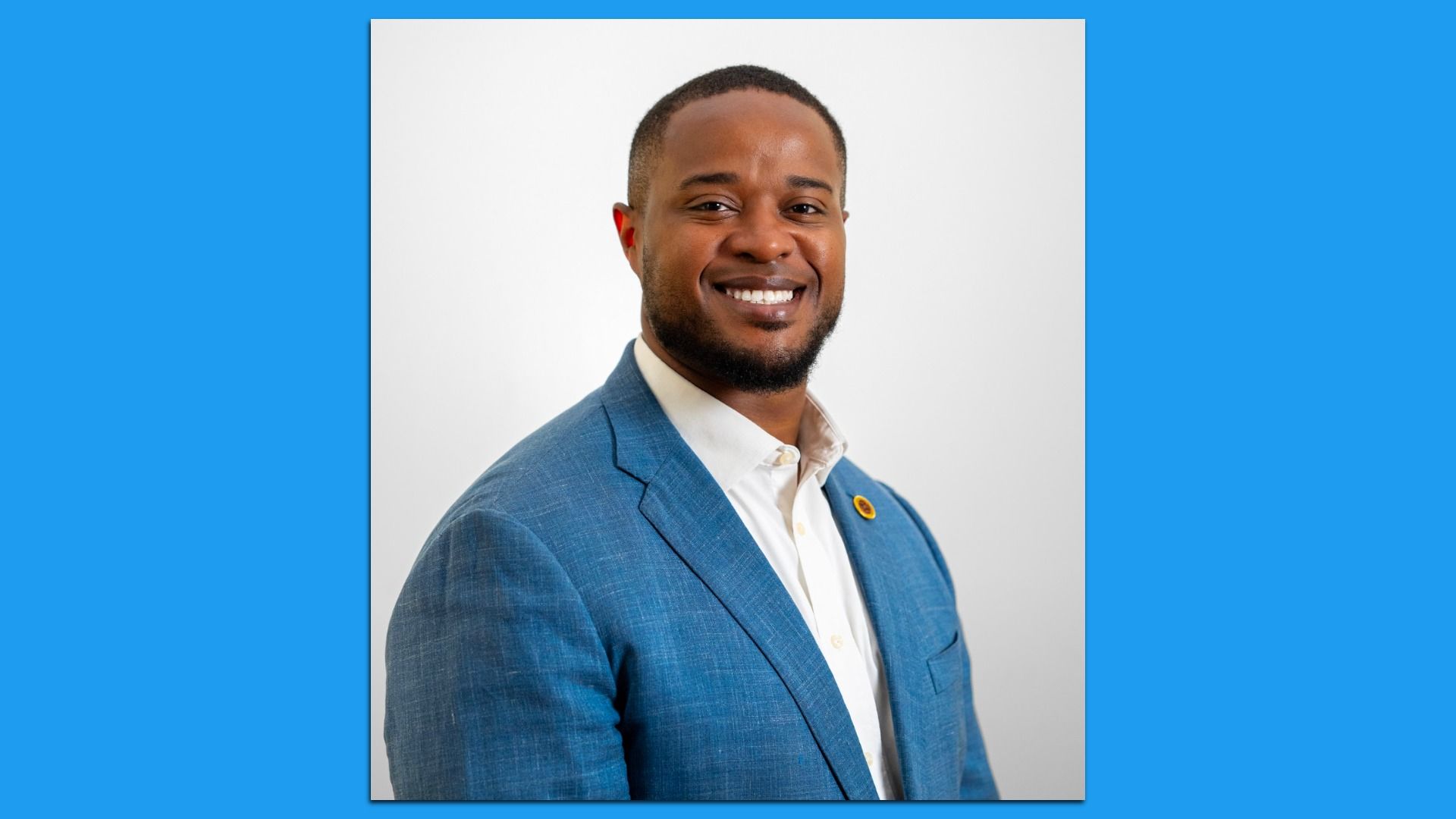
Another beneficiary of Cooper's performance and 2024 redistricting, Jefferson unseated freshman Rep. Addison McDowell in a district Trump carried by 16 points.
- Jefferson, the mayor of High Point, N.C., spent just $225,000 to McDowell's $1.3 million, per FEC filings.
- Neither national party invested in this race. The only ads were from McDowell, who launched a $230,000 campaign ad buy and spent another $40,000 on franked ads, according to AdImpact.
"What they kept saying was, 'Your seat's just nowhere on our radar, we don't think it's going to get on our radar until something happens,'" Jefferson said of his meetings with national groups to solicit their support.
- Jefferson said they consistently laid out three criteria that he needed to meet to be taken seriously: Strong fundraising, competitive polling, and grassroots enthusiasm on the ground.
- "I'll tell you, the fundraising part is really tough," he said, telling Axios his de facto campaign manager used to be one of his students when he was a high school teacher.
"There are examples where me and progressives may not be on the same side of things, and there are times where you say, hey, progressives and Cyril do seem to be aligned on something," Jefferson said.
- On health care: Jefferson said the public option that Pete Buttigieg floated during his 2020 presidential run is "where I stand."
- On Israel aid: "I believe they have the right to be a democratic Jewish state ... [but] aid in any case, going anywhere, for any issue has to be conditional."
- On voting for Jeffries as speaker: "I need to sit down with him, I need to ask him some questions. I do think there are people who have legitimate concerns out there about the meeting he took with Jared Kushner. ... That said, though, I can't think of anyone else who would be better for the job."
North Carolina 13th: Paul Barringer
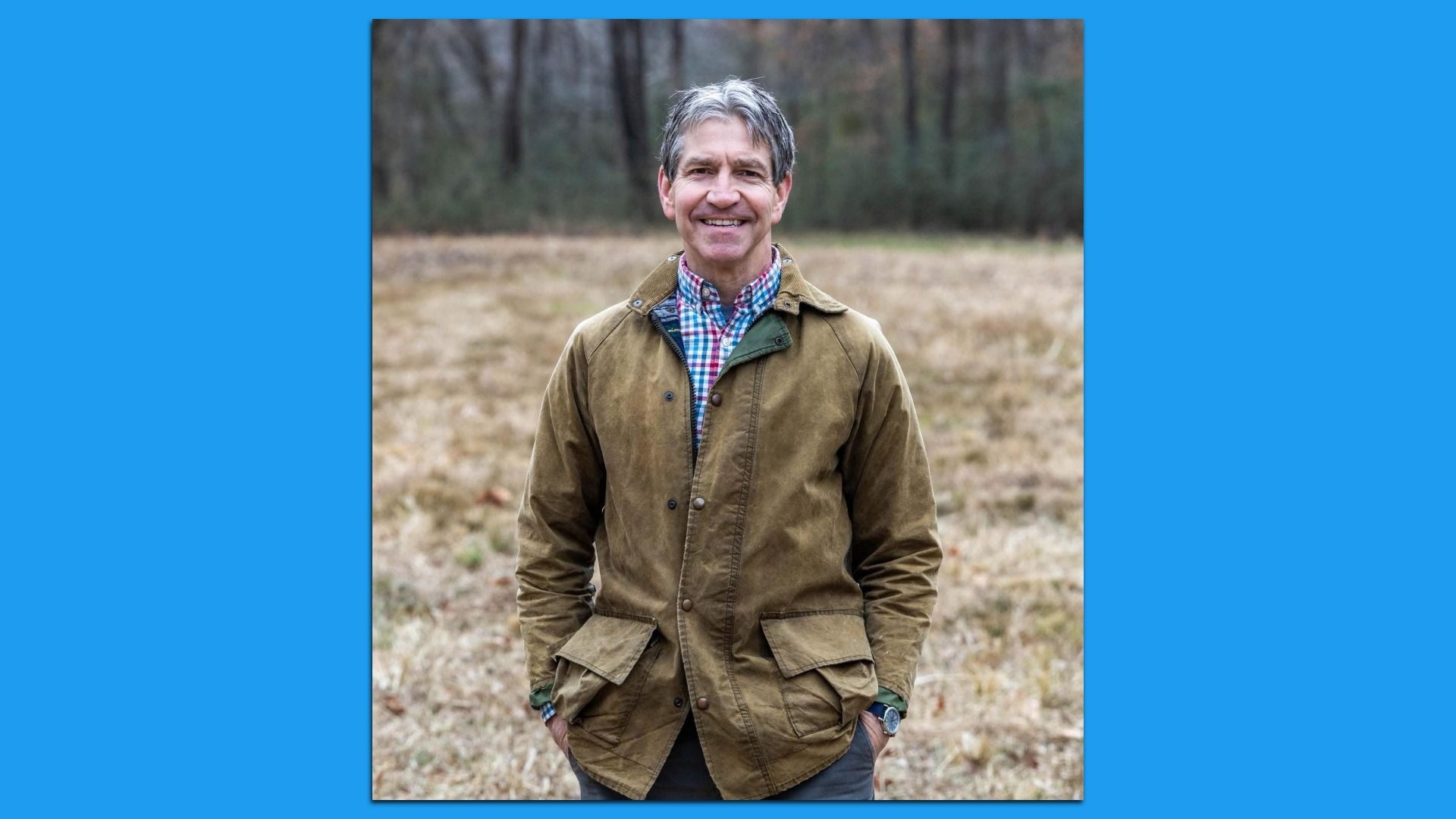
Barringer defeated freshman Rep. Brad Knott by 3 points in a district Trump won by 17 points two years earlier.
- Unlike the other wave babies, Barringer — a lawyer, health care consultant and tree farmer — actually had competitive fundraising.
- He raised $800,000 to Knott's $1.1 million, per FEC filings. He ran an ad in which he held up a picture of Knott and said: "Ever seen this guy? ... This is Brad Knott, our congressman."
- Neither national party got involved in the race.
"I'm a former Republican, I'm out there saying I believe in collaboration and common sense, I support business, I'm for low taxes," Barringer told Axios in an interview.
- He said "fiscal responsibility" and reducing deficits are a "huge priority," saying he also supports "individual liberty" and "free enterprise."
- On voting for Jeffries for speaker: "At this point I would just say I envision there will be conversations and discussion and after consideration of our options we'll be able to make the right decision."
North Carolina 14th: LaKesha Womack
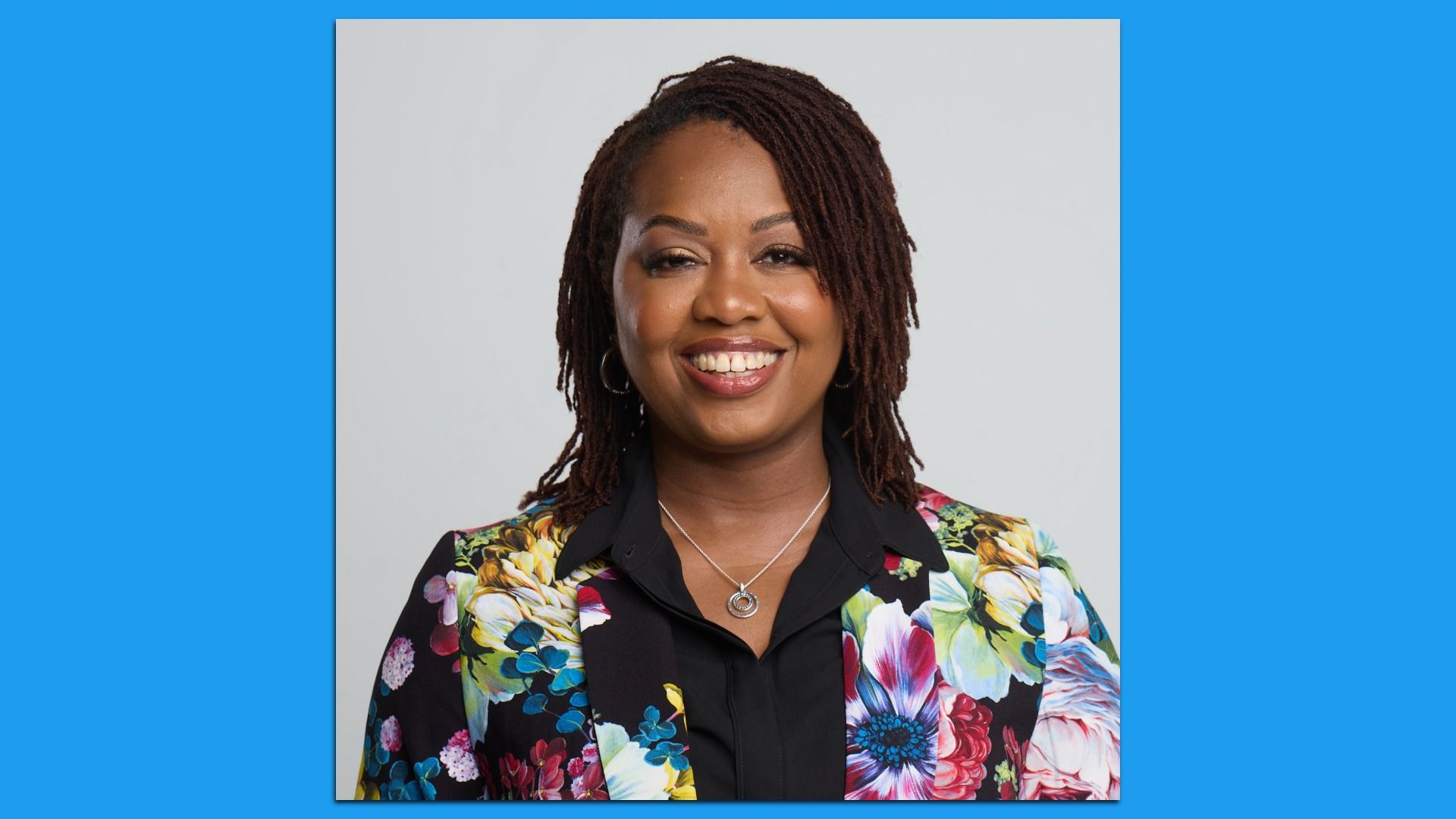
A political neophyte, Womack defeated Rep. Tim Moore, a former state House speaker who was one of the architects of the very gerrymander that led to his political demise.
- Moore spent nearly $1 million on ads, per AdImpact, including attack ads seizing on the fact that a felony warrant was served to Womack during the campaign related to charges she failed to return a rental car in 2019 worth around $20,000.
- Overall, Womack spent just $55,000 on her campaign while Moore spent $1.9 million. She ran no ads.
Womack called the criminal charge against her a "political move" that ultimately "made my voters even more excited to get out and vote for me."
- She told Axios: "If it was really that serious, would they have waited six years to bring it to my attention?"
- Womack has acknowledged she did not return the rental car on time, and said in a video posted in October: "I do owe them people some money."
"I just have a real common sense approach to solving problems for working class families," Womack said of her ideology.
- On health care: "I definitely support Medicare-for-All."
- On Israel aid: "I think any aid that we provide domestically or internationally should have conditions. ... Whether we're looking at SNAP benefits or USAID."
- On voting for Jeffries as speaker: "I definitely want to see who the options are and whoever is going to put forth the most progressive platform. And I don't think this is a time for us to be moderate. ... I'm looking forward to seeing which leader is going to push us in that direction."
