Tax the rich takes off, sort of

Add Axios as your preferred source to
see more of our stories on Google.
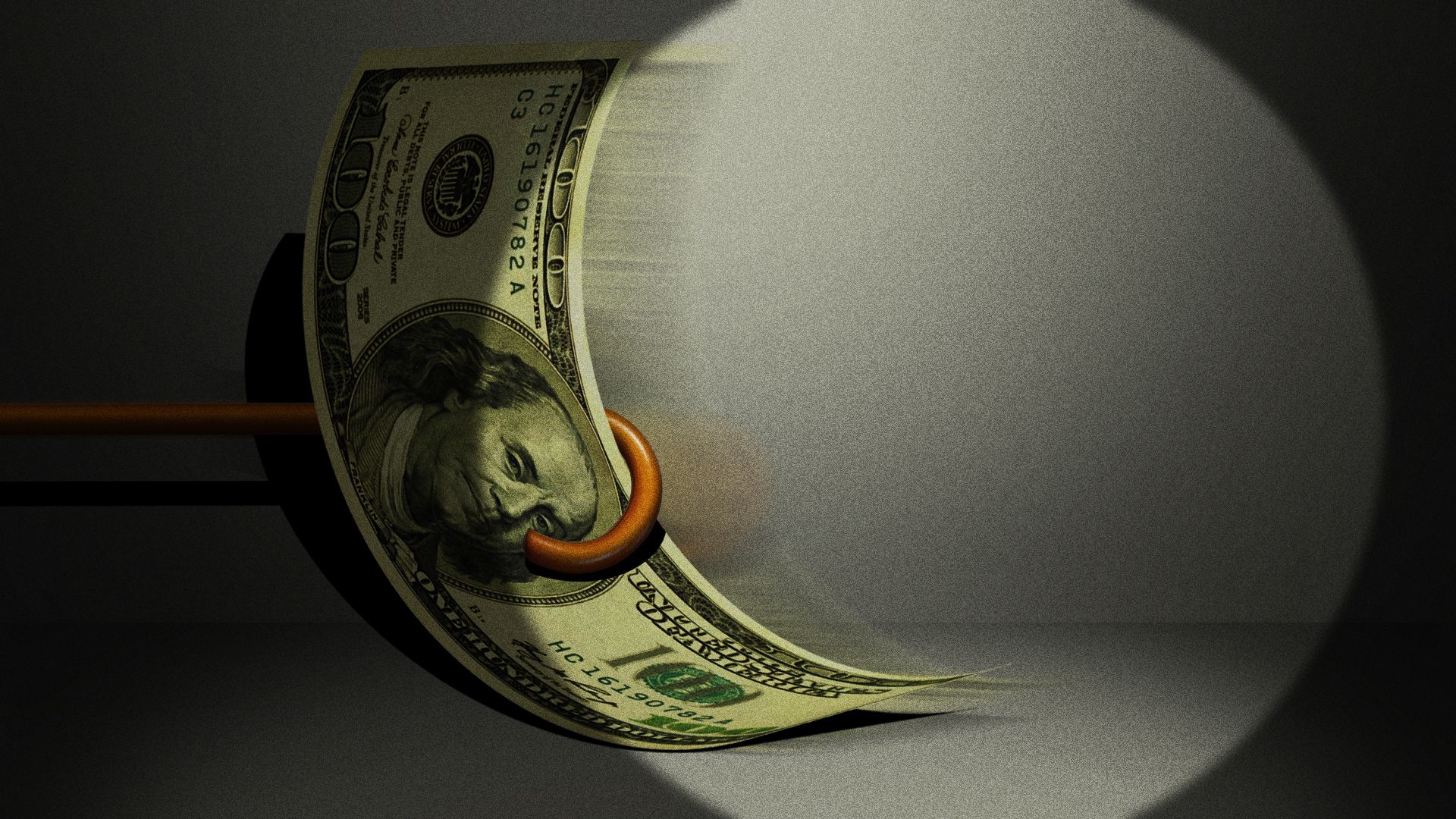
Illustration: Maura Losch/Axios
Efforts to tax the rich are gaining steam at the state level.
Why it matters: States are getting slammed with the prospect of less money coming in from the federal government and rising costs — taxes on the highest earners, a relatively small group, are looking like a tidy solution to the problem.
State of play: In the midterms, voters in three states backed measures that would raise or preserve income taxes on higher earners.
- Washington rejected a measure that would've gotten rid of a new millionaire tax that imposes a 9.9% tax on income exceeding $1 million (for single filers) and $1.5 million on those filing jointly. (Washington has had zero state income tax until now.)
- Colorado approved one that replaces a flat income tax with one that raises taxes on the highest earners — giving most everyone else a cut.
- California voters made existing higher income tax rates permanent.
Catch up quick: Earlier this year, state legislators passed new millionaire income taxes in Maine (2% on income over $1 million) and Rhode Island (3% on $1 million), and Hawaii created a new higher tax bracket for those earning more than $500,000 (single filers) and $1 million (couples).
Zoom out: "This is pretty unprecedented," said Aidan Davis, state policy director at the Institute on Taxation and Economic Policy, a left-leaning tax policy research group. "That is not a normal year for tax policy in the states."
Yes, but: None of these are wealth taxes that would impose levies on rich people's stocks and other assets.
- Those have proved a much tougher sell.
- California voters rejected two other related measures, one would've taxed billionaires' wealth, and another prohibits taxes on accumulated wealth.
The big picture: States are trying to fund a backlog of infrastructure projects, deal with increased costs of climate disasters and step in as federal funding cuts loom.
The other side: The pressure to cut taxes also ratcheted higher this year, as Americans struggled with higher inflation.
- In Florida voters approved a massive property tax measure called out by both progressives who say localities won't have the money to fund crucial things like police and fire rescue, and conservatives who warn it'll just push taxes into other areas.
- The state estimates it could cost local governments nearly $5 billion in the first year, rising to $12 billion by 2031, according to Florida Tax Watch.
Between the lines: Americans don't like taxes — 60% said they pay more than their fair share, in a recent Pew poll.
- About the same number said it bothers them a lot that wealthy people don't pay their fare share.
The bottom line: "People are not for broad-based tax increases," says Adam Michel, director of tax policy studies at Cato, a right leaning think tank. "Whether or not they want to tax rich people more is a mixed story."
