Axios Vitals

August 12, 2026

Midweek already, gang. Today's newsletter is 1,053 words, a 4-minute read.
🚨 Situational awareness: Eli Lilly said it filed six new lawsuits against U.S. entities and referred hundreds of parties to regulators and law enforcement for allegedly selling black market versions of its experimental GLP-1 retatrutide.
1 big thing: Lobbying heats up for surprise billing fix

Providers and insurers are so divided over the process for resolving surprise billing disputes that they can't even agree on the true size of the payouts. And the blame game is likely to continue into next year.
The big picture: The continued sparring four and a half years after a federal surprise billing law took effect is fueling fresh calls for another congressional "fix" to address a staggering backlog of cases and questions, like which disputed items and services can be lumped together.
- "There's been a change in the dynamic from even a few weeks ago," said Jack Hoadley, research professor emeritus at Georgetown's Health Policy Institute.
Driving the news: Insurers this summer have intensified calls to overhaul the independent dispute resolution process, saying it routinely awards providers big payouts that drive up the cost of care.
- Their arguments were boosted by a Wall Street Journal report on federal data that found the process awarded nearly $15 billion to providers last year — more than triple the total for 2024.
- The Trump administration issued a final rule in May aimed at streamlining arbitration, though some policy analysts predict the changes will only encourage more practices to take claims to arbitration. Insurers and employers both are pressing for more.
The other side: Providers say as much as $2.7 billion of the payouts the Wall Street Journal cited appear to be incorrect, and blame the flawed data for contributing to the perception that doctors are gaming the system.
- They point to insurers not engaging meaningfully in the negotiation process by refusing to pay more than 1 million disputed claims or offering rates of less than $1 for some services.
What we're watching: There's bipartisan traction for a legislative fix, but it likely won't happen this year, TD Cowen analyst Molly Turco wrote in a recent note.
2. CMS cuts off Medicaid for youth trans care

The administration yesterday finalized a plan to cut off federal Medicaid funding for hormone therapy, puberty blockers and surgeries for transgender youths.
Why it matters: The rule is the latest escalation in the administration's effort to limit transition-related care, which has tested the boundaries of executive powers and could undercut federal and state protections.
- States may still use their own funds to cover gender-affirming care for youth in Medicaid or the Children's Health Insurance Program.
- The policy change doesn't affect psychotherapy connected to gender dysphoria.
State of play: Beginning Oct. 13, states will not be able to claim federal Medicaid funding for gender-affirming health services, which the Trump administration refers to as "sex-rejecting procedures."
- There will be a six-month period where states can continue to get funding for beneficiaries taking gender-affirming hormone therapies.
- Seventeen states currently cover some degree of gender-affirming care for children under Medicaid and CHIP, according to the rule.
The administration said it's adopting the policy "help to protect these children" from gender-affirming procedures they see as harmful.
- The rule cites 2025 HHS report that found weak evidence for pediatric gender-affirming medical interventions, as well as a review from the United Kingdom.
- The American Academy of Pediatrics and other medical groups have said the HHS report misrepresents the current medical consensus and realities of care.
3. AI brings savings to clinical trials: Study


Artificial intelligence isn't just speeding up early-stage drug development, it's starting to unlock millions of dollars' worth of new efficiencies in clinical trials on cancer treatments, research shared first with Axios shows.
Why it matters: AI-powered tools could shave months off time-consuming processes like recruiting and enrolling patients, monitoring results and interpreting data.
- That could free up resources for more clinical studies and possibly lower the high failure rate for new drugs.
What they found: A new Tufts Center for the Study of Drug Development analysis found AI agents can accelerate clinical development of cancer drugs by approximately 10 weeks and reduce direct operating costs by as much as $5.6 million in late-stage trials.
- The efficiencies increase with the number of tumors a drug can target: An experimental treatment with 50 active uses could see net benefits of as much as $565 million, Tufts found.
- Tufts applied a clinical monitoring agent from Medable, which provides a platform to support clinical trials, to an unspecified oncology drug development program in phase 2 and 3 trials.
What they're saying: Ken Getz, the Tufts center's executive director, said deploying the agent led to new efficiencies, such as reducing the number of on-site visits, accelerating enrollment in the trial and locking in the data.
4. More employers are dropping the largest PBMs
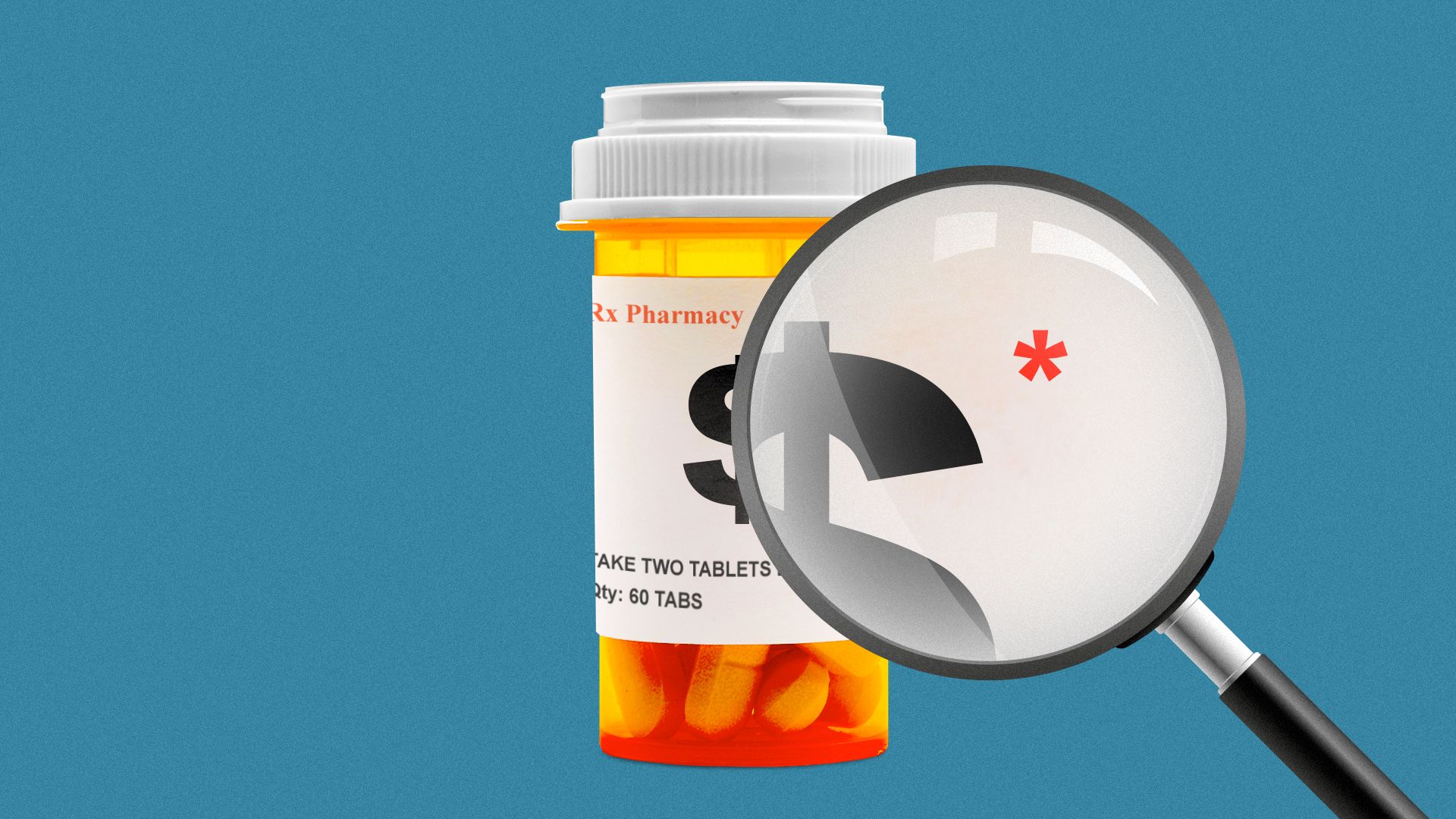
More corporations are cutting ties with the three biggest pharmacy benefit managers and striking deals with smaller rivals to help manage their drug costs, a new survey from the National Alliance of Healthcare Purchaser Coalitions found.
Why it matters: The findings are the latest sign of a shift underway in employer-sponsored health care as companies grapple with soaring health costs and a threat of worker lawsuits tied to how well they manage plans.
What they found: The survey of 408 employers conducted in May and June found nearly half (46%) were using a PBM other than the big three — CVS Caremark, Optum Rx and Express Scripts — up from 37% last year.
- 56% of those still using one of the big three indicated they were considering making a change in the next three years.
- 31% of companies using alternatives to the larger PBMs are considering a change.
- Employers project a 7.7% increase in their health costs next year.
Beyond costs, employers are looking for added transparency like more access to claims data and for signs PBMs aren't charging health plans more for a drug than they pay the dispensing pharmacy.
5. Catch up quick
💉 Trump is counting on the health care industry to remake vaccines. It's pushing back instead. (Stat)
💊 Plans for a pharma megamerger between AstraZeneca and Bristol Myers Squibb unraveled after investors revolted. (FT)
🍸 A daily pill containing the active ingredient in Ozempic could help people cut back on drinking, a new study found. (Axios)
Thanks for reading Axios Vitals, and to editors Adriel Bettelheim and David Nather and copy editor Matt Piper. Please ask your friends and colleagues to sign up.